Climate Change, Climate Justice & Net-Zero Transitions.
Global Challenges, Local Solutions — Turin and the G7 on Climate.
Planet Week Turin · 21 April 2024
Talk on climate justice and local action.
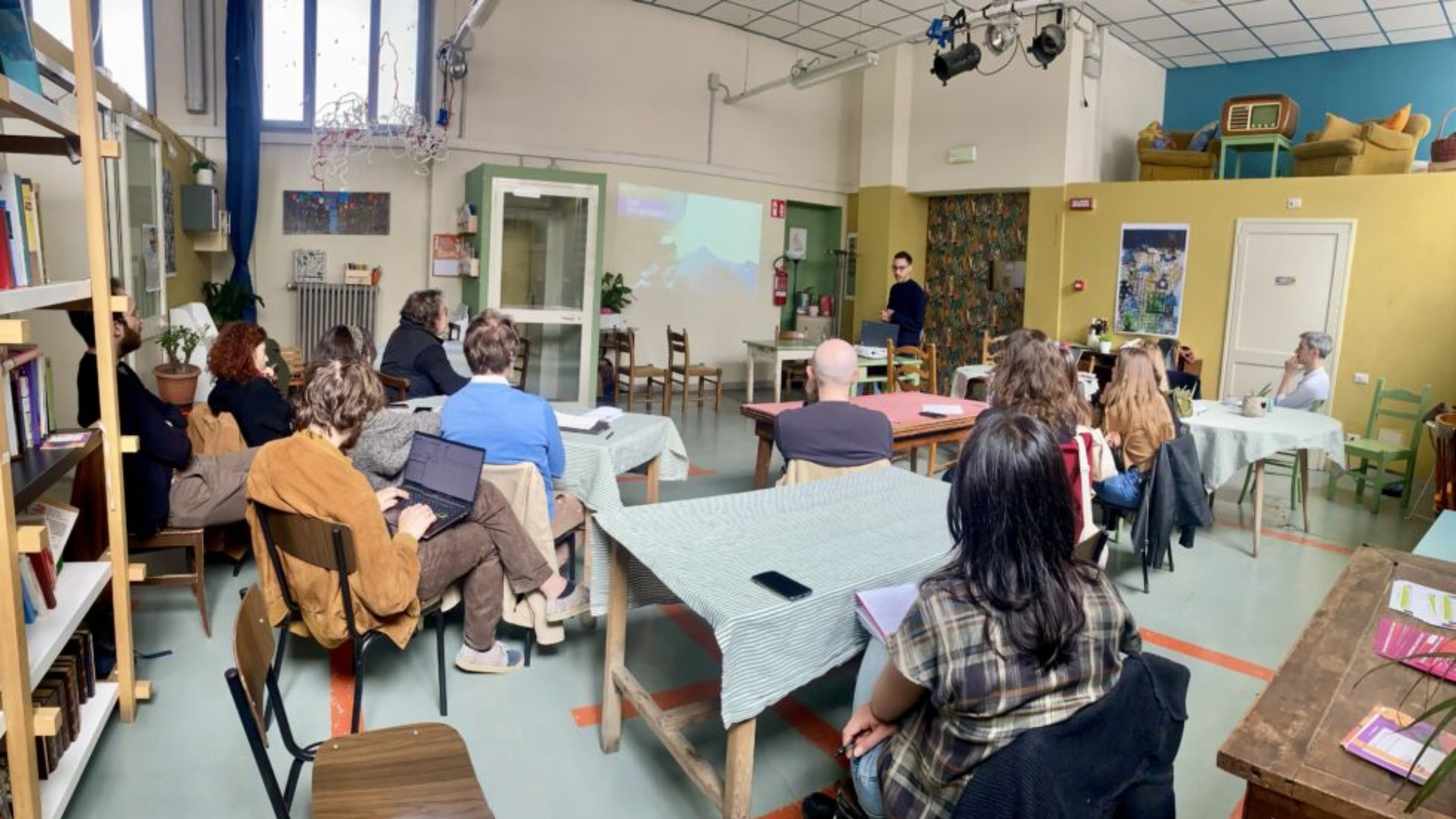
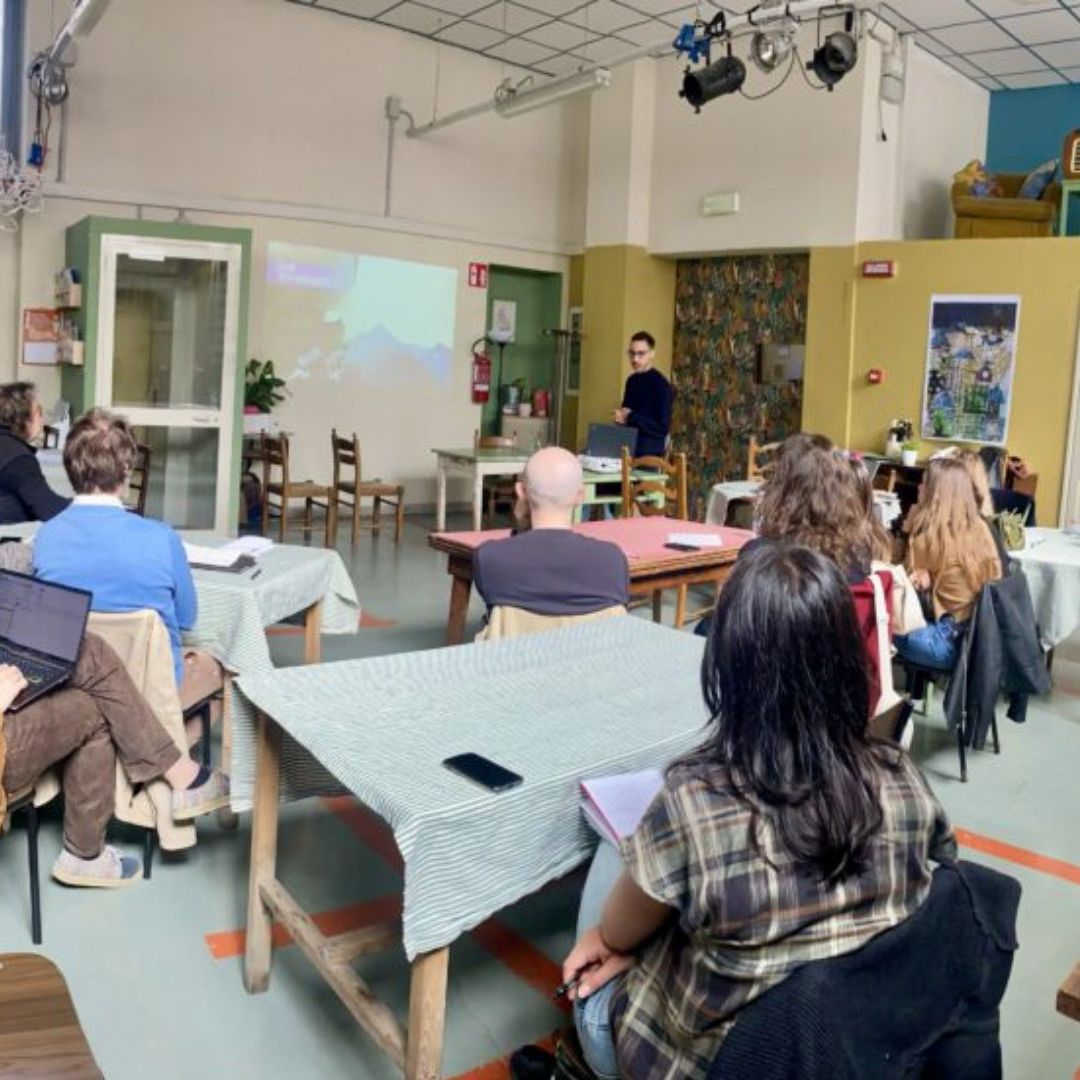
On 21 April 2024, as part of Planet Week, Green Growth Generation organised in Turin the event “Global Challenges, Local Solutions: Turin and the G7 on Climate” — a morning of open dialogue between experts, activists and citizens dedicated to climate justice, international climate policy and local action as a lever for systemic change.
An event that brought together many of Turin’s active organisations on these themes, demonstrating that the response to the climate crisis is not only a matter of governments and international agreements — but of everyday choices, energy communities, technological innovation and civic participation.
The speakers
Federico Tassan-Viol — ECCO Think Tank · Policy Making and climate negotiations
Federico Tassan-Viol, Senior Diplomacy Analyst at ECCO Think Tank, opened the morning with an in-depth look at climate policy making and the importance of upcoming international negotiations — COP29 and the G7 at the forefront — for the concrete implementation of the Dubai agreements on moving away from fossil fuels.
“It will become increasingly necessary to broaden the negotiating table, including all those developing nations that have so far been on the margins, but are no less vulnerable to the effects of climate change.”
Greenpeace — La Giusta Causa against ENI
Francesca Cosimetti and Alessio Casanova De Marco from Greenpeace presented La Giusta Causa (The Just Cause) — the civil lawsuit filed against ENI at the Rome Tribunal for present and future damages resulting from climate change to which the company has significantly contributed.
“A recent Guardian article states that over 80% of global emissions released into the atmosphere from 2016 to today are attributable to just 57 companies. This is the data we must start from.”
The request: that ENI concretely revise its industrial strategy, reducing emissions by at least 45% by 2030 compared to 2020 levels.
Alessio also explored energy communities as a direct tool for reducing dependence on fossil fuel multinationals: “This approach brings both environmental benefits — the gap between energy produced and energy consumed is almost zero — and, consequently, economic savings.”
ReLearn — technological innovation for waste reduction
Fabrizio Custorella, CFO of ReLearn, presented the company’s device for monitoring and measuring waste produced by businesses and municipalities — a concrete tool for immediately reducing environmental footprint based on measurable data.
“We want to address the problem of waste at the root: using concrete, measurable data, we aim to educate people so they can improve their habits, thereby reducing the amount of waste produced.”
An innovation adaptable to diverse contexts — from healthcare to education — and scalable well beyond municipal administrations.
L’Affresco del Clima — understanding climate change through play
Enrico Lucca engaged all attendees with L’Affresco del Clima (The Climate Fresco) — an interactive space based on IPCC (Intergovernmental Panel on Climate Change) reports that allows participants to explore climate change themes through quizzes and questions.
“Questions like ‘Why is the temperature rising?’ and ‘Which economic sectors are the most polluting?’ might seem trivial, but they actually reflect a widespread initial lack of preparedness on the topic.”
Global challenges, local solutions — GGG’s vision
For Green Growth Generation, “Global challenges, local solutions” goes beyond emphasising the importance of a flexible, context-specific approach to the environmental crisis. It also highlights the crucial role of individual action in advancing the climate cause and inspiring a collective demand for systemic change.
Every consumption choice, every participation in an energy community, every signature on a petition is a political act — a concrete contribution to building a more just and sustainable future.