Knowledge Sharing & Public Learning
Stories Matter.
19 and 20 September 2024 | St’Orto Urbano · Cecchi Point
Urban storytelling, public art and community — New European Bauhaus.
Stories Matter is a creative storytelling and public art project, developed as part of the New European Bauhaus programme of the European Commission. Born in Beirut in 2022, the project was simultaneously developed in Barcelona and Brussels, demonstrating how art, culture and social innovation can transform cities into inclusive, sustainable and welcoming places to live.
Through photography, video and participatory artistic practices, Stories Matter explores five fundamental dimensions of contemporary urban life: the role of public spaces as a common good, the value of sustainable agriculture and local producers, the potential of eco-villages, the beauty of slow fashion and local craftsmanship, and the importance of public transport for urban community cohesion.
Following a call for talent published in April 2022, five artists were selected to develop their work in the context of Beirut — a city that carries in its urban form the traces of conflicts, economic crises and profound transformations. Their stories do not simply document a city: they speak to dynamics shared by many European and Mediterranean metropolises, where public space, social justice and urban sustainability intersect every day.
The photo works
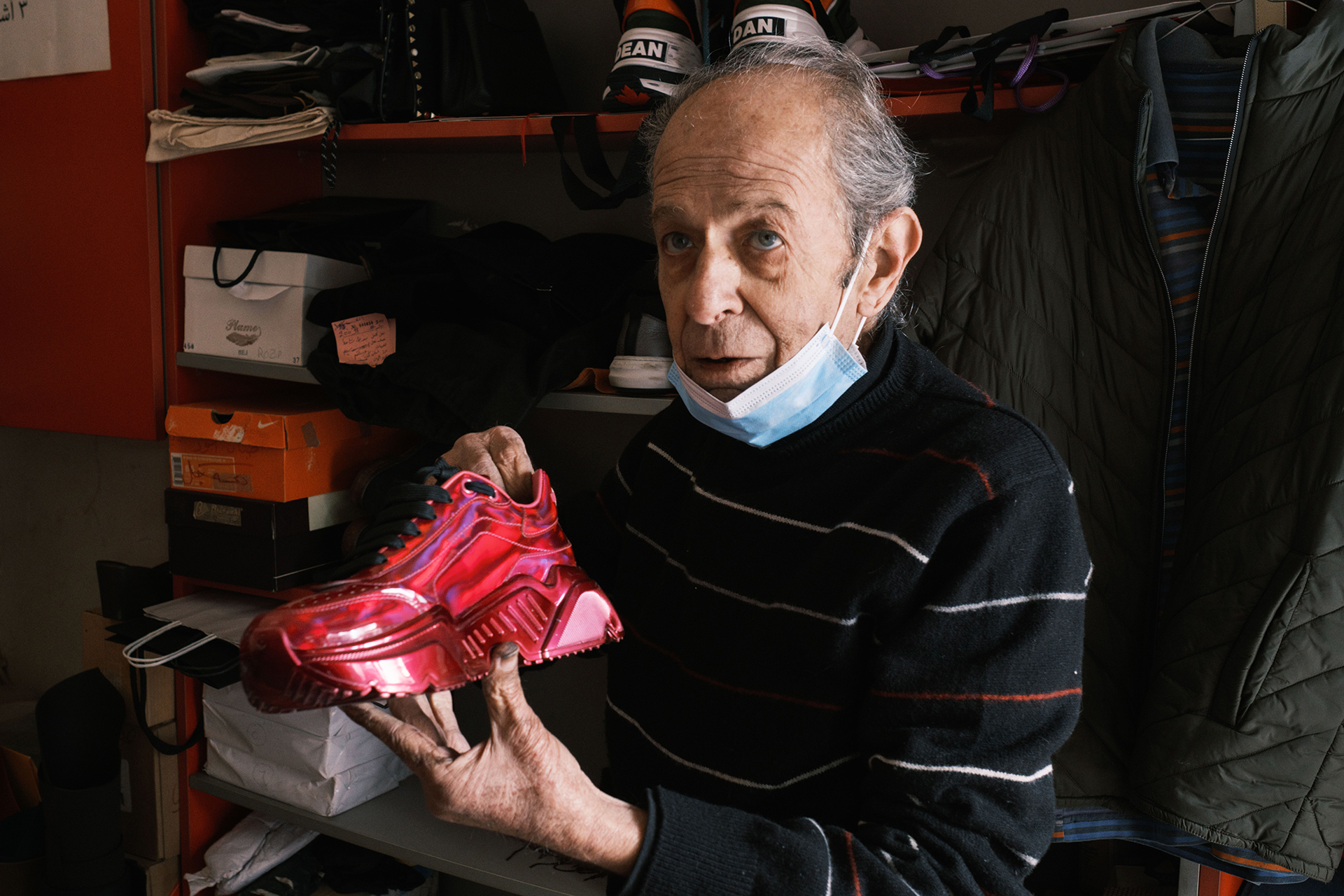
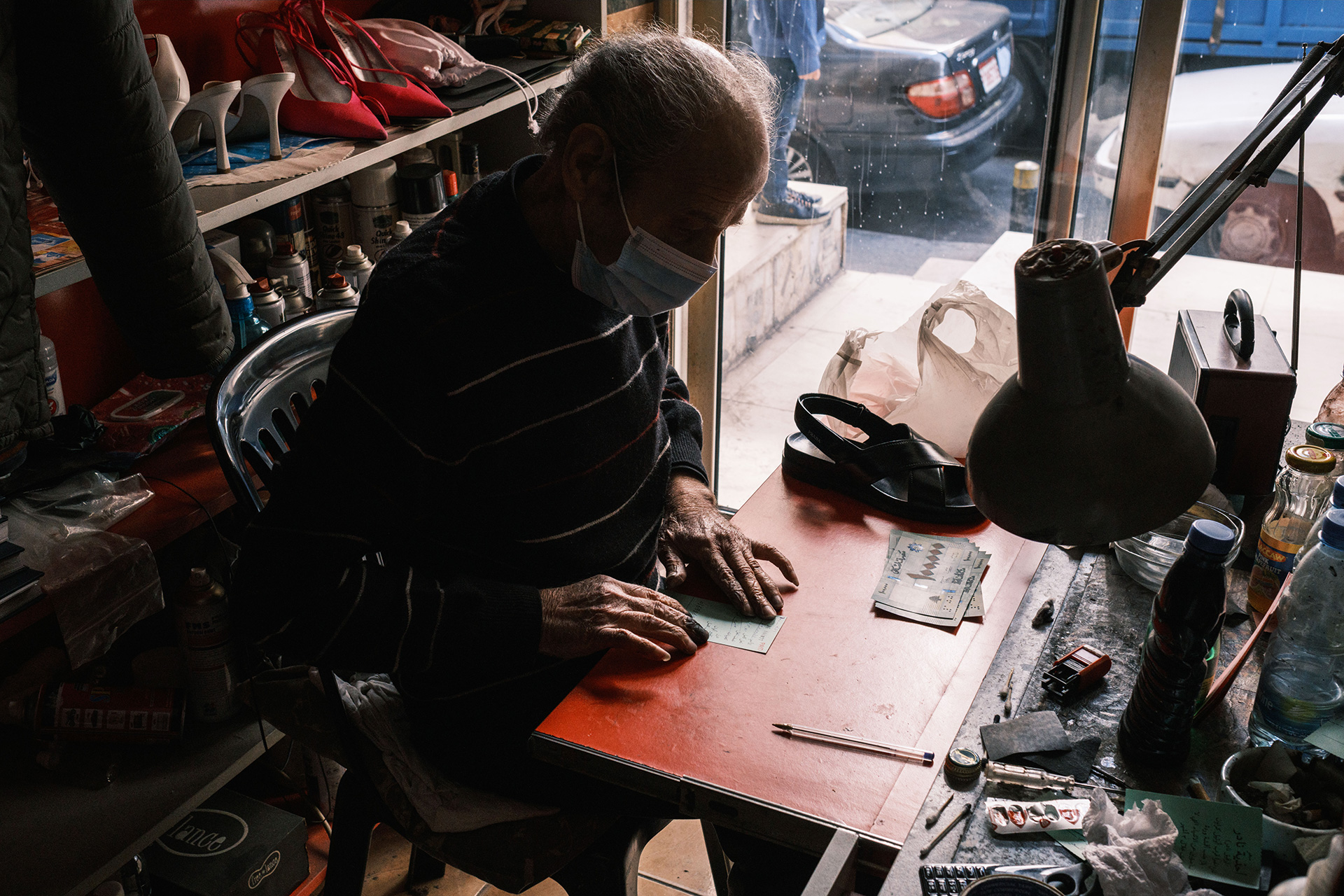
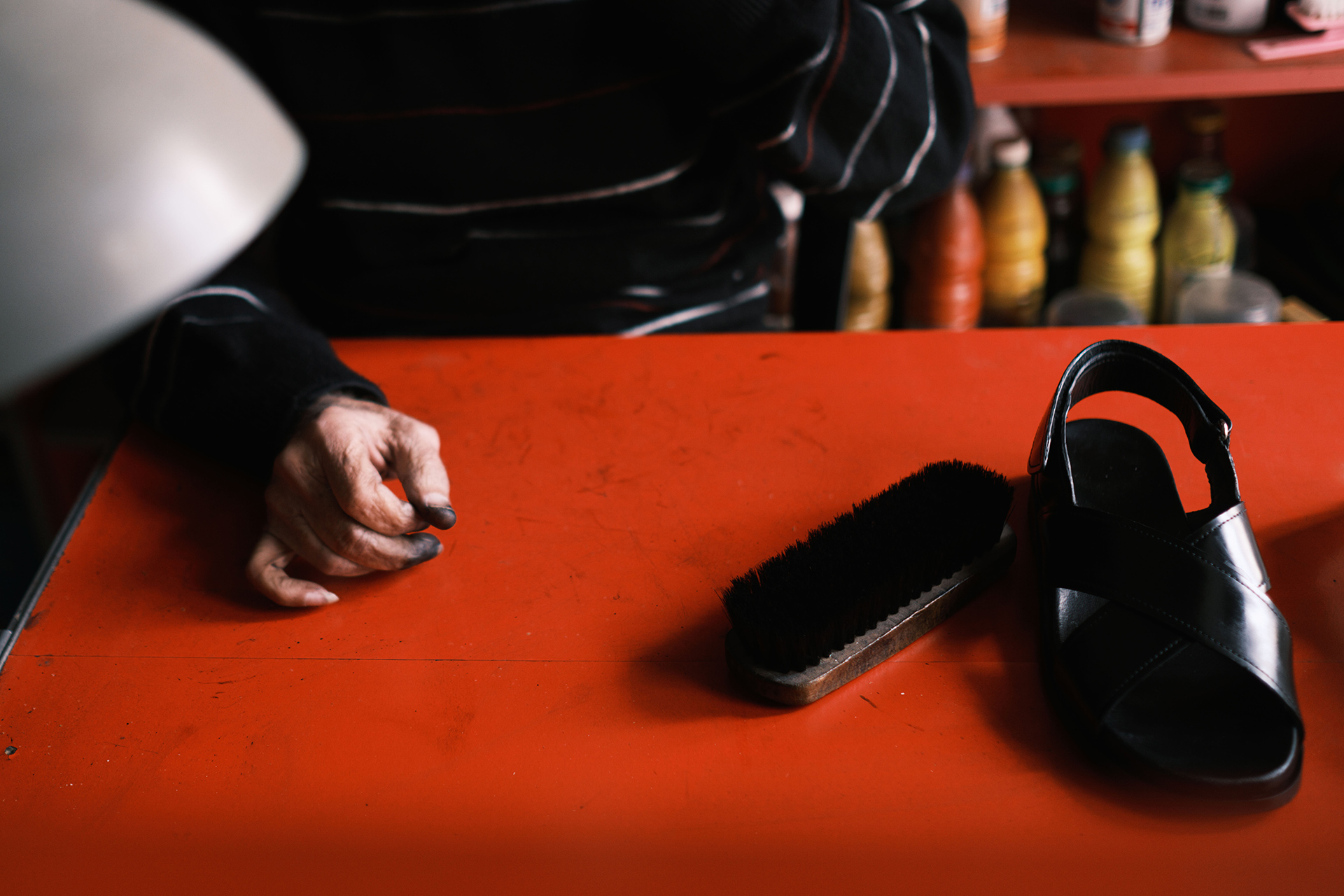
In Conversation with Hamra Shoemakers
Jana Khoury and Leonardo Sartori
Beirut exists differently in our grandparents’ memory. Asking them for directions around the city can lead to discovering glimpses of untold stories.
This is the story of Rafik the shoemaker and his old friend and current assistant — two men who belong to an older generation, clinging to a rapidly changing world and a Lebanon dramatically in crisis. Their story reflects the consequences of unsustainable economic growth and consumerism, but it is also a story of generational divide and resilience during Lebanon’s most severe economic standstill.
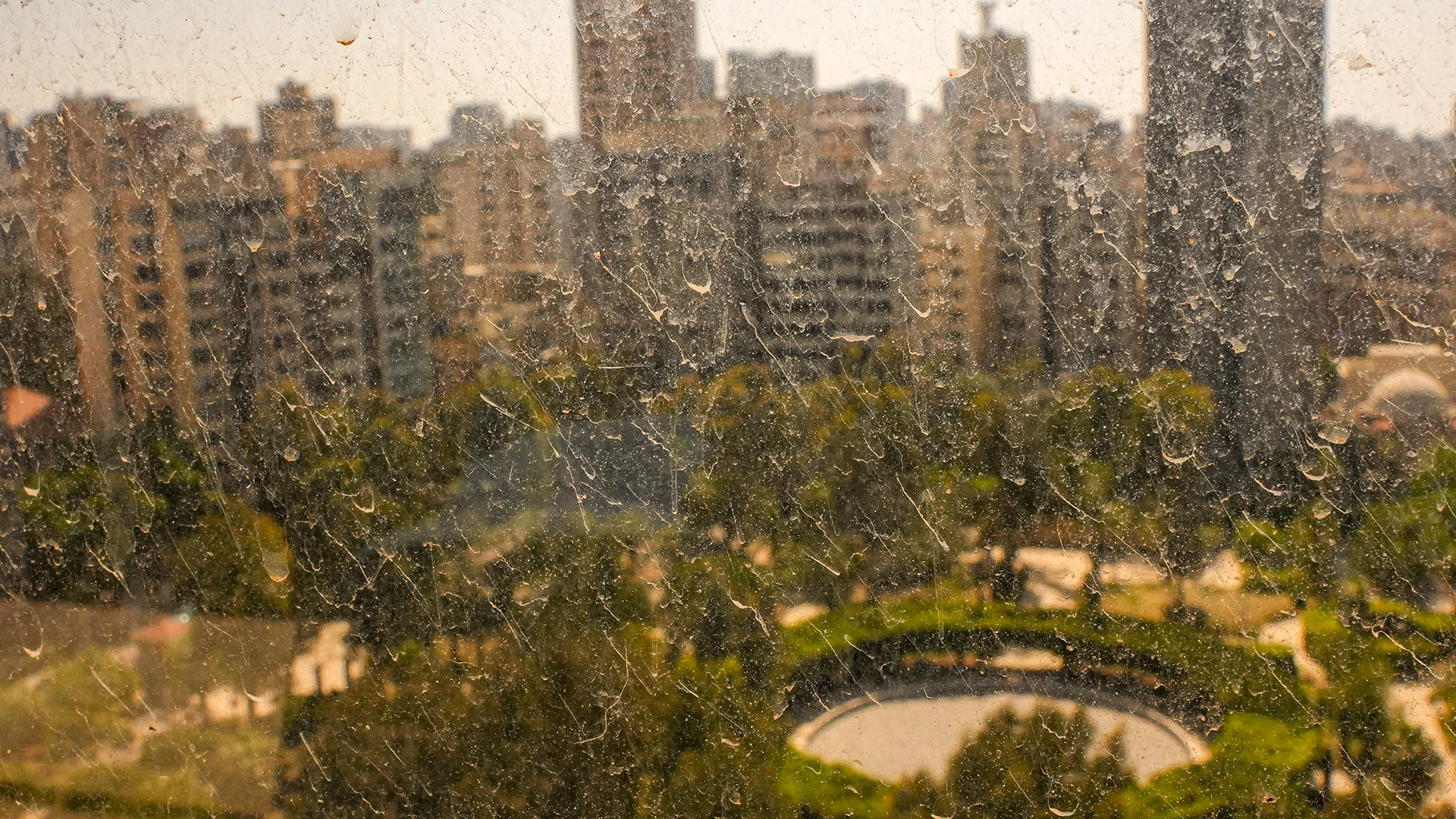
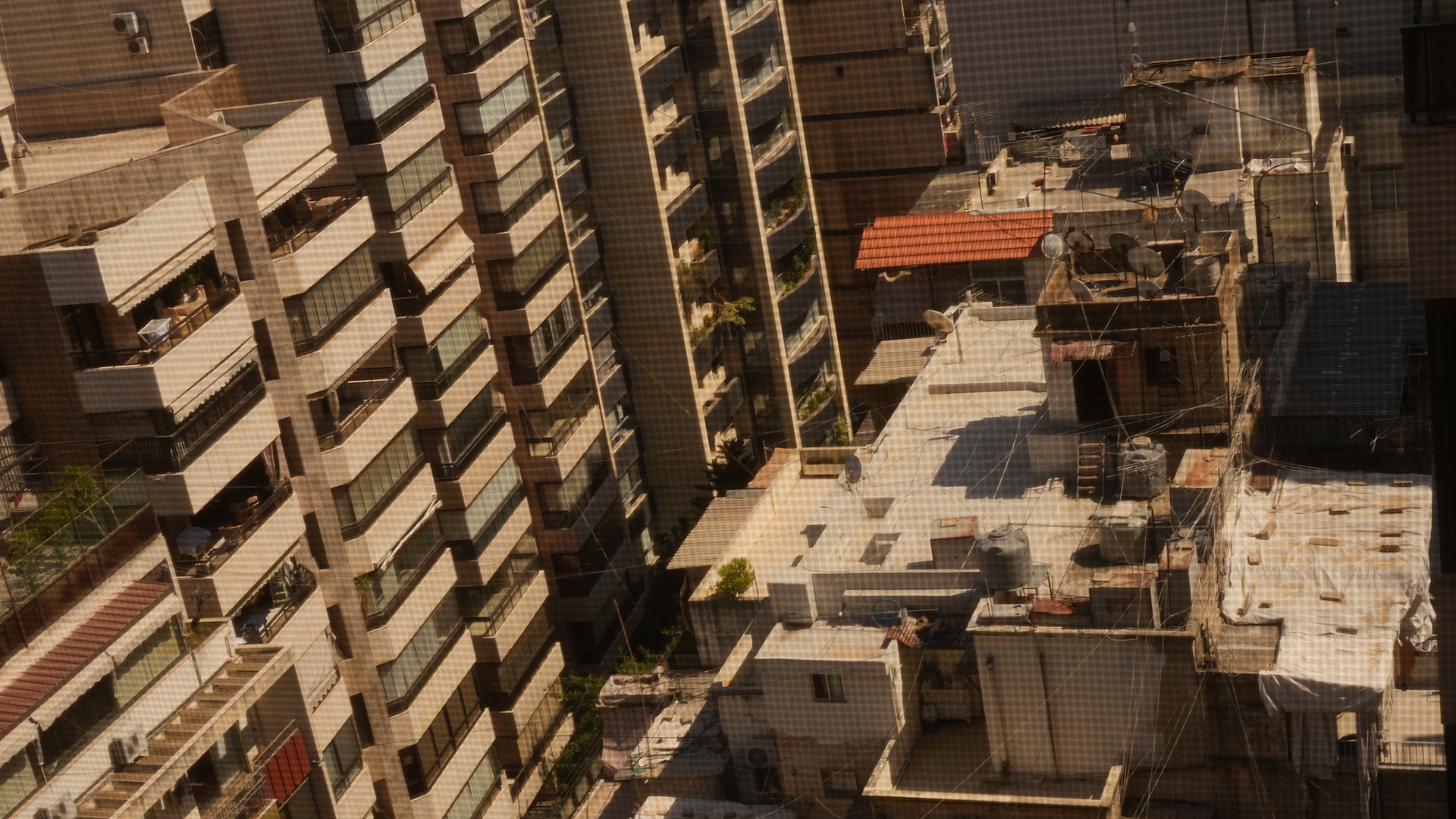
Public Spaces for the
Greater Good of Communities
Chloe Khoury
Lebanon’s past conflicts have altered people’s relationship with public spaces. The civil war divided the capital, drastically reducing Beirut’s historic public spaces and contributing to social segregation.
“I lived in France for 15 years. From spring to autumn, after work, I would sit with my friends on the large stretch of green grass in front of the lake. In Lebanon, these places must not be a reserve for the country’s elite; they must be made public and perceived as a breath of fresh air, a place where people can let their imagination and creativity run free. A place where people can meet, interact, and ultimately, build a nation.”
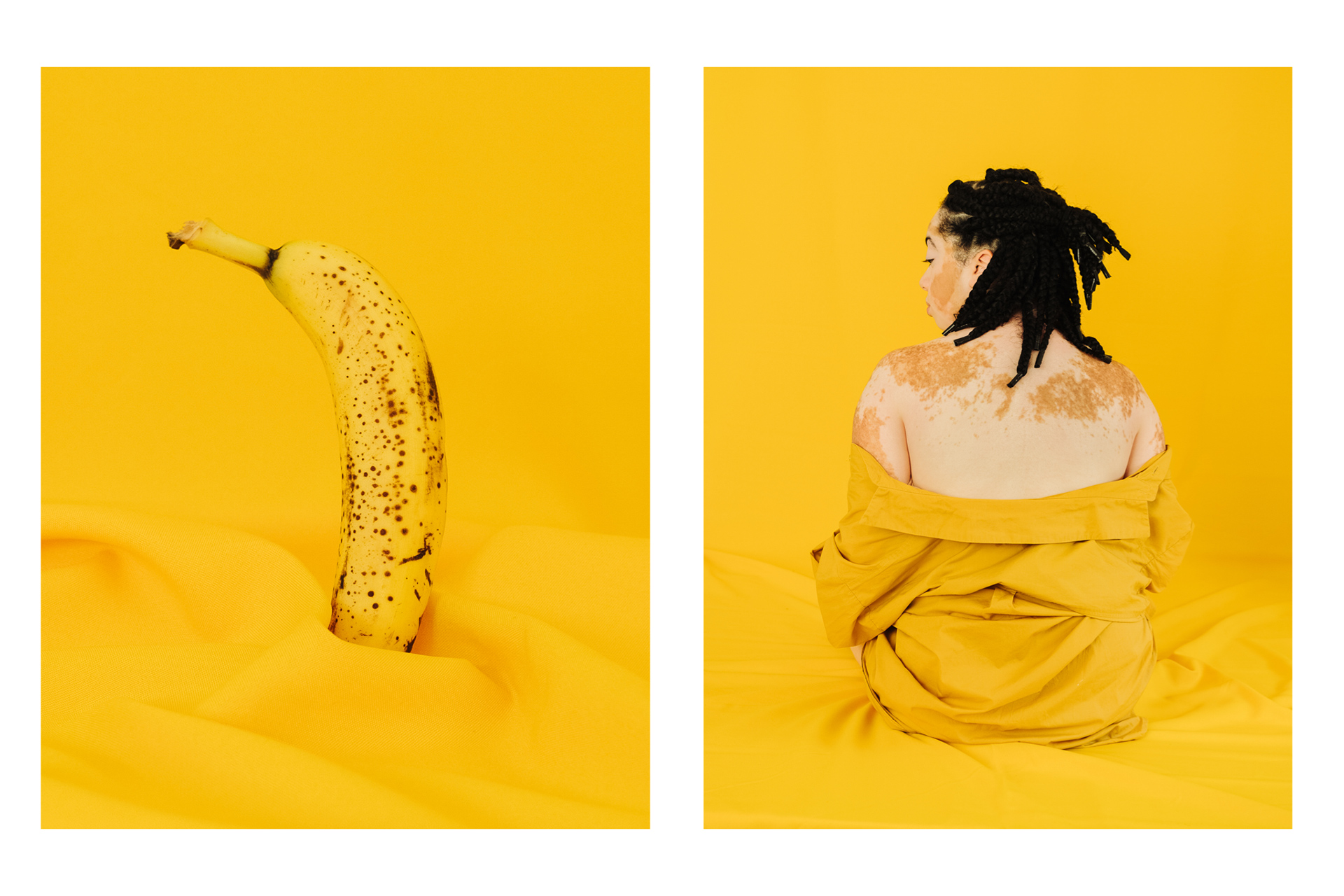
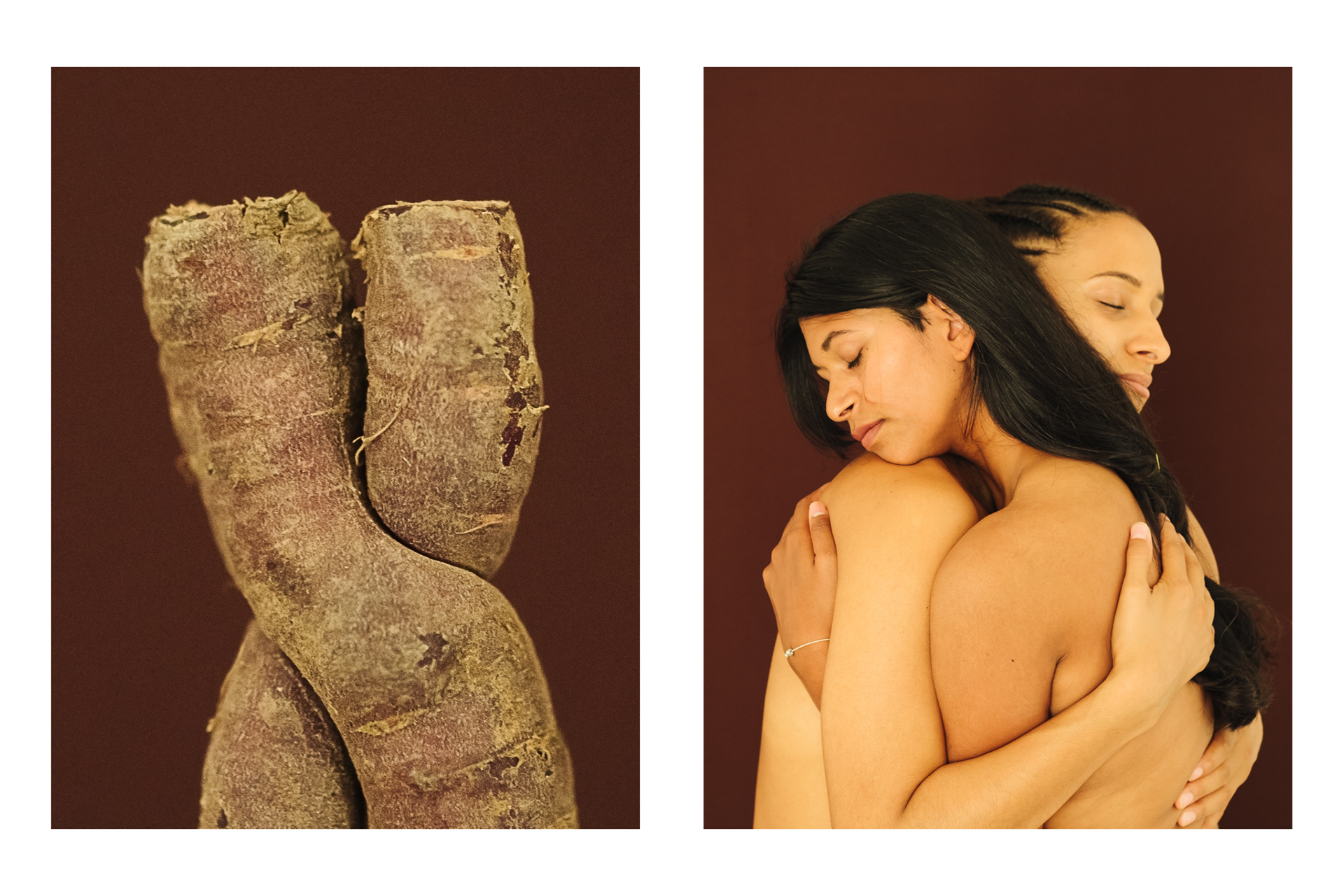
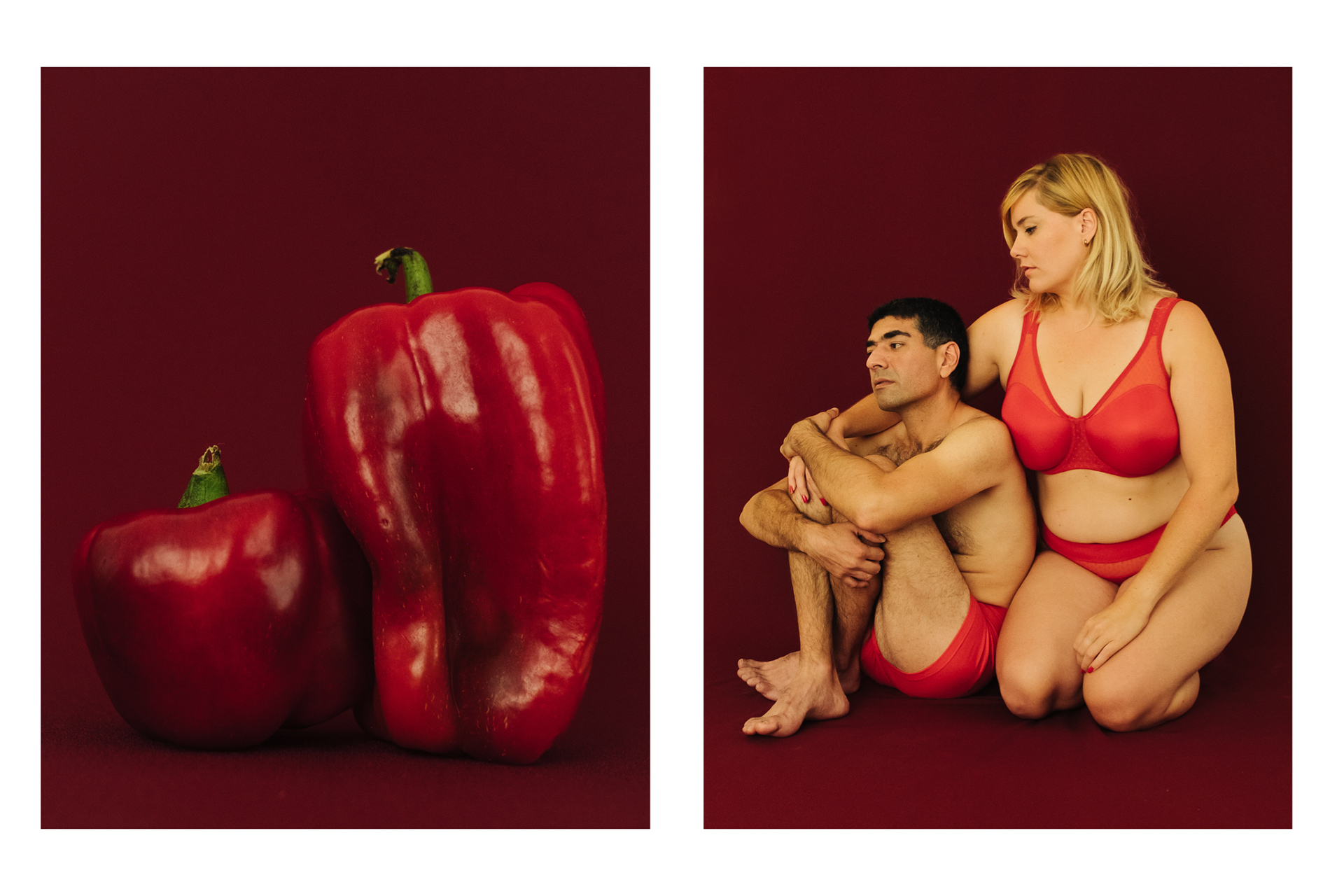
GROWNthisway
Amina Stella Steiner
Every day, tonnes of food are destroyed because they do not meet society’s standards. And every day, people are judged and condemned for not living up to certain models. But what is normal? What is different? And when did we allow ourselves to give up the freedom to answer these questions?
In this photographic series, Amina Stella Steiner juxtaposes images of unusual foods with those of extraordinary people, questioning in artistic terms our perception and behaviour as consumers. The project is completed by a series of photographic studies on body and food, and a video that once again celebrates the uniqueness of being “special”.
How We Transit Beirut
Laila Hommos and Georges Matar
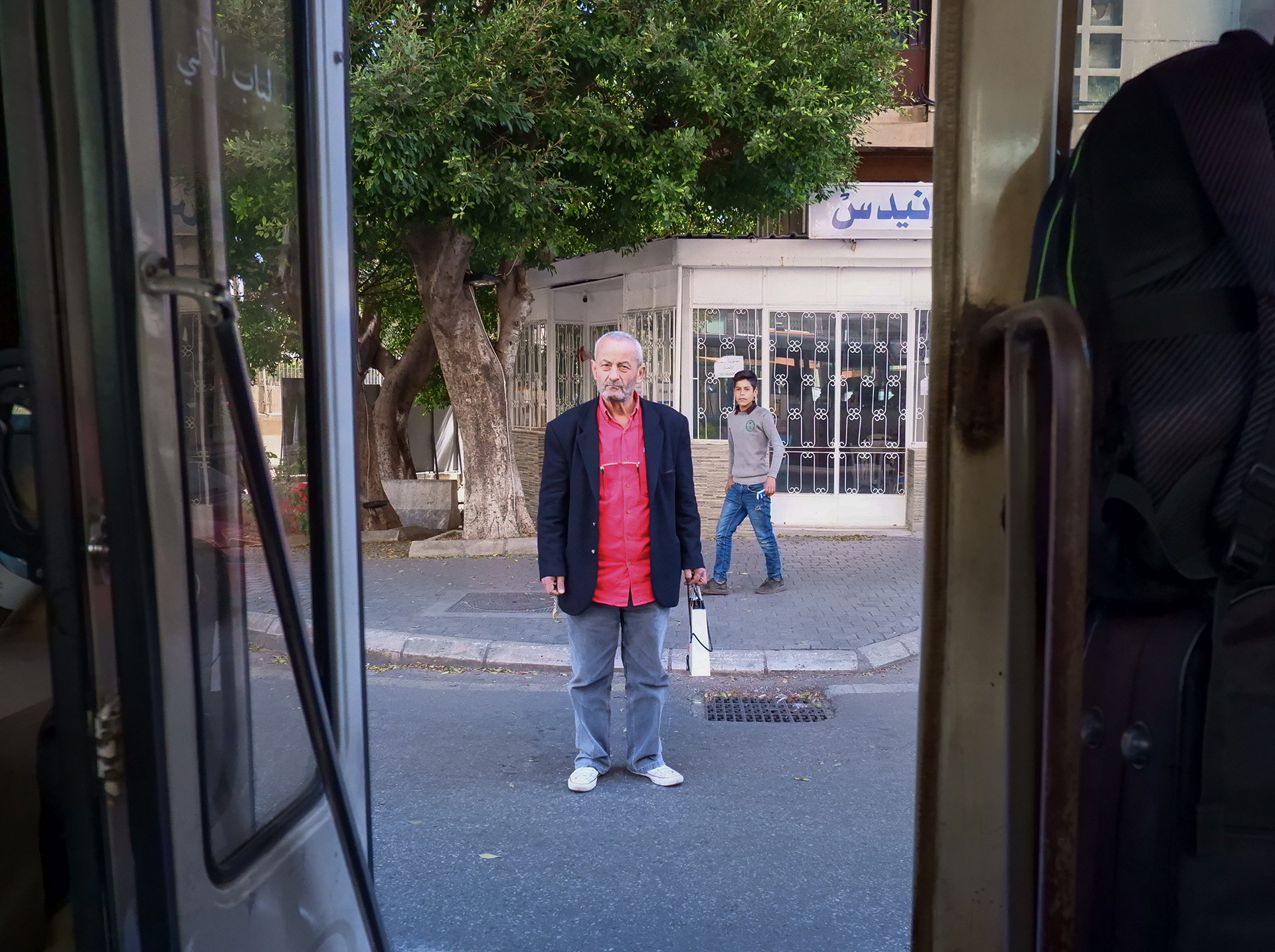
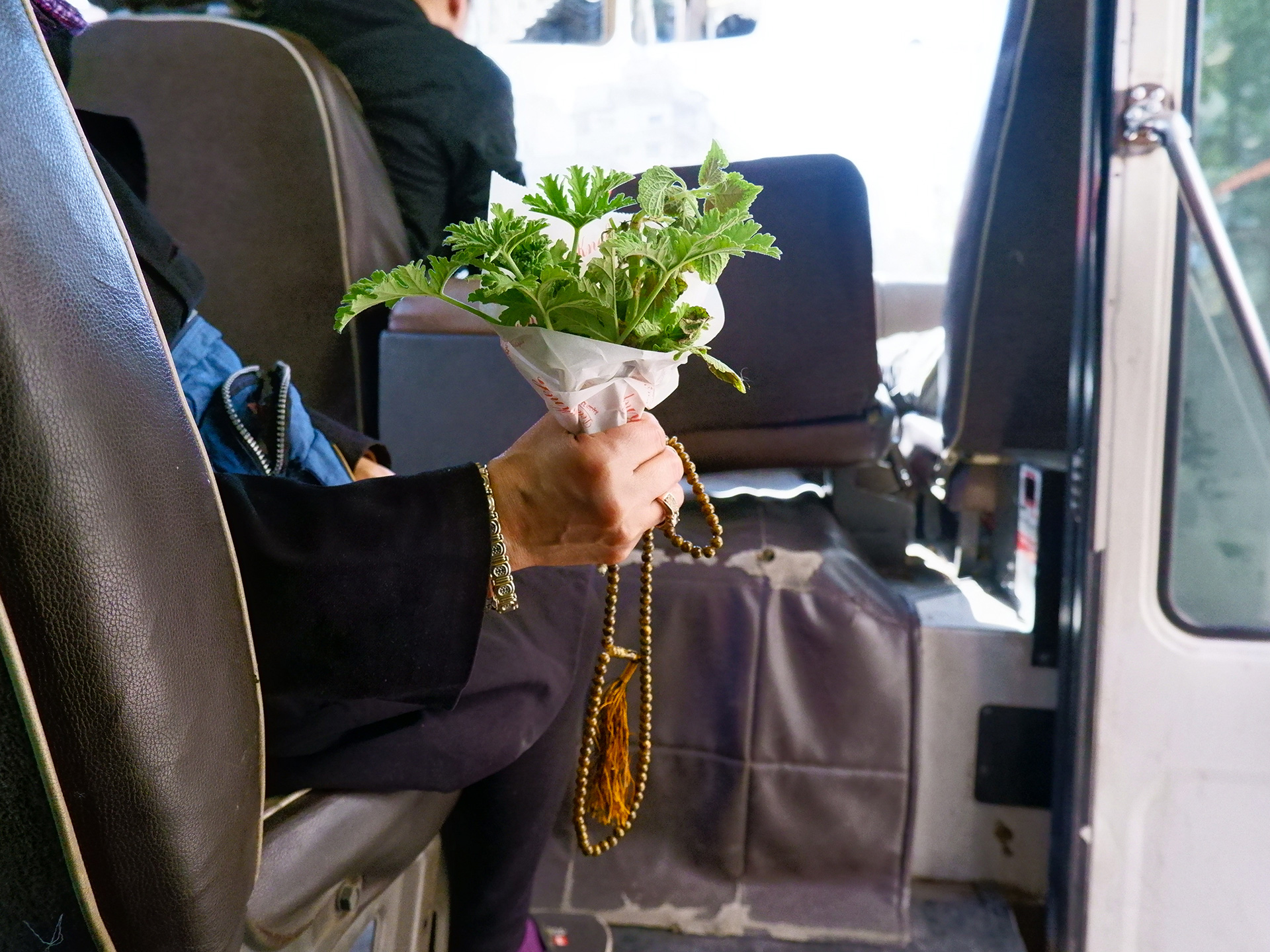
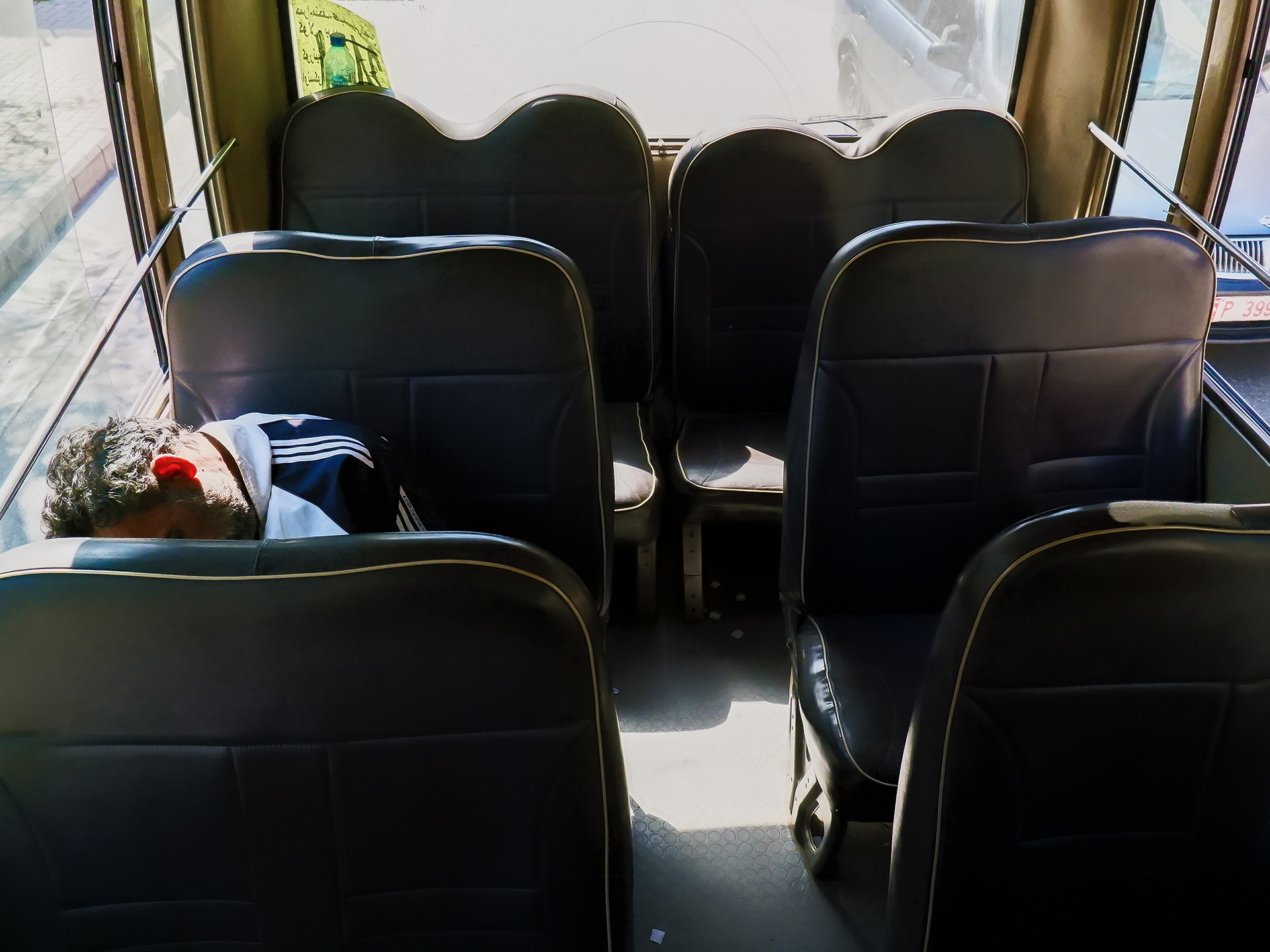
The way a city moves can offer a cross-section of its social structure. Before the economic crisis, public transport in Lebanon was reserved for those who had no other options. Today it is somehow bridging the gaps between its different communities, creating unexpected connections and stories.
This work is not about one particular character, but about a shared struggle — the difficulties of drivers amid the crisis, and people’s resentment at being forced to use public transport. More broadly, it highlights how anything people share, even something unpleasant, ends up bringing them closer together.
We Salute the Heart
Omar Bsat
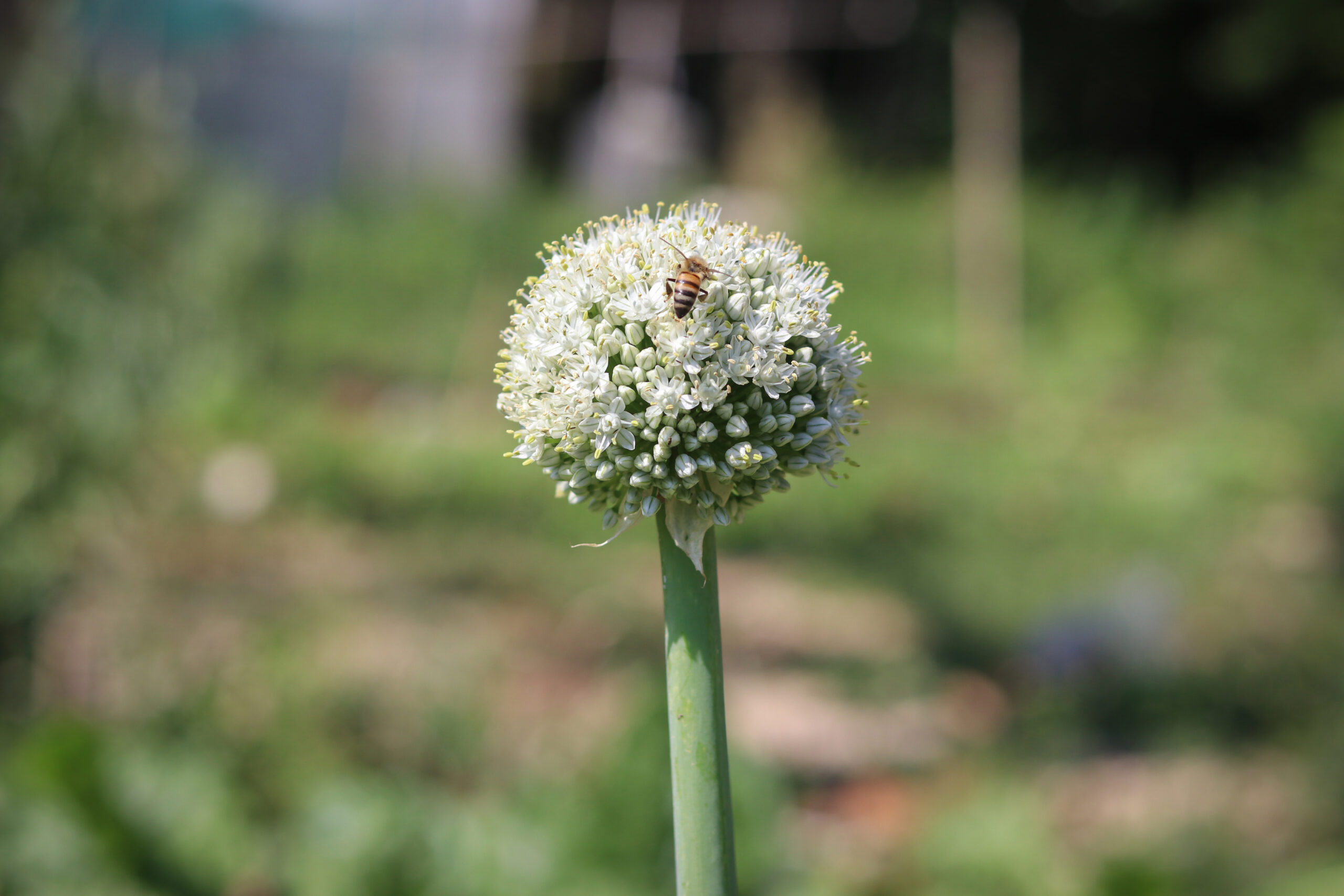
40 km from Beirut lies Saida, a city once known for its rich environmental heritage. Over the years, the city’s green spaces have been erased by real estate investors and improper urban planning, with no consideration for maintaining local agricultural production.
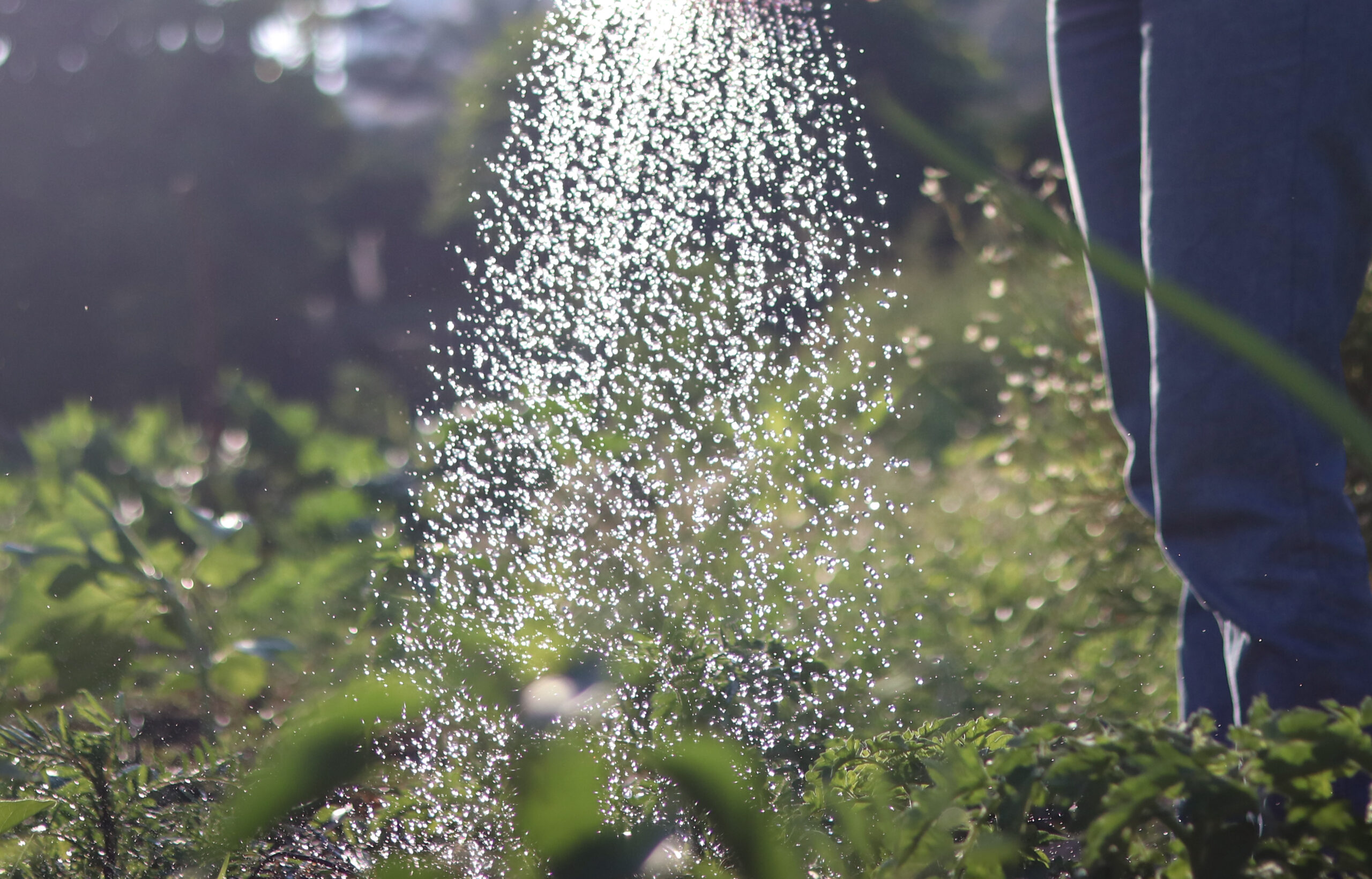
Two years ago, an important environmental initiative was launched in the heart of the city: “We Salute the Earth”, a public garden for ecological and participatory agriculture in Saida. A place where people are not only invited to rediscover farming, but also have the opportunity to grow their own plants and sell the harvest at the weekend market — a concrete model of sustainable public space and active community.
Projects.
Projects are the core of our work. Through place-based urban projects, we integrate participation, research, and experimentation in real city contexts.