
Knowledge Sharing & Public Learning
Urban Future 2025 — Tactical Urbanism.
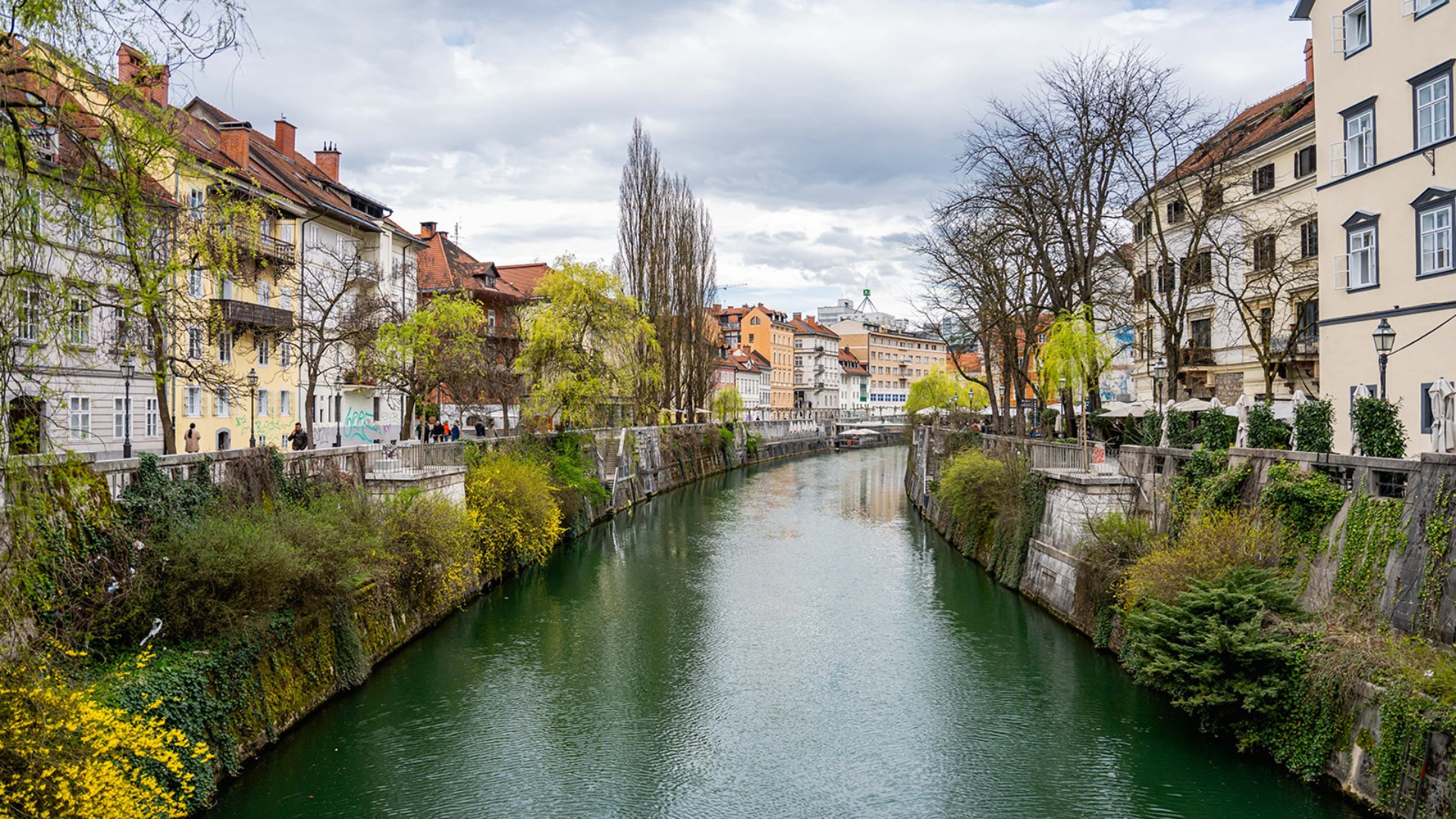
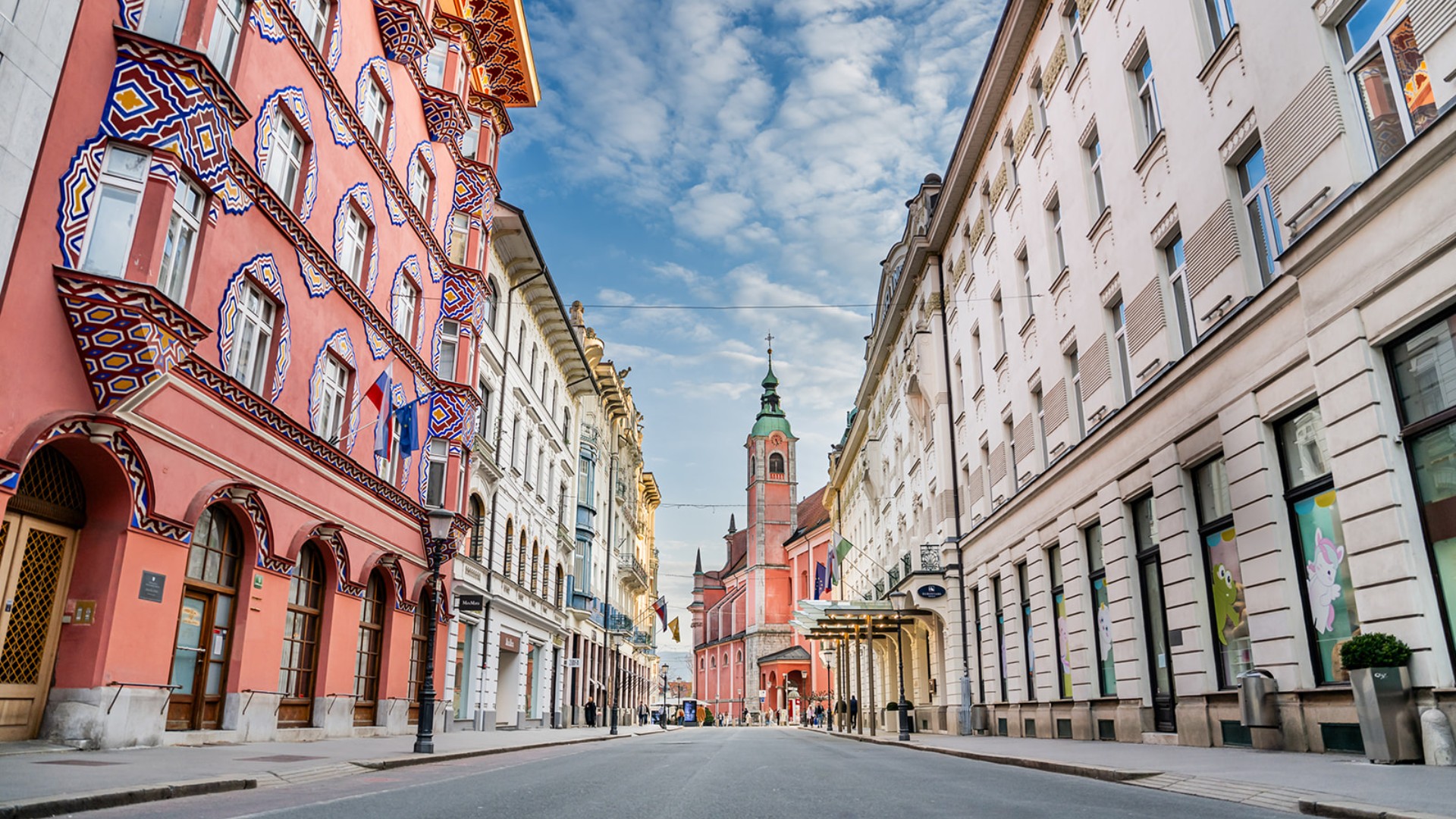
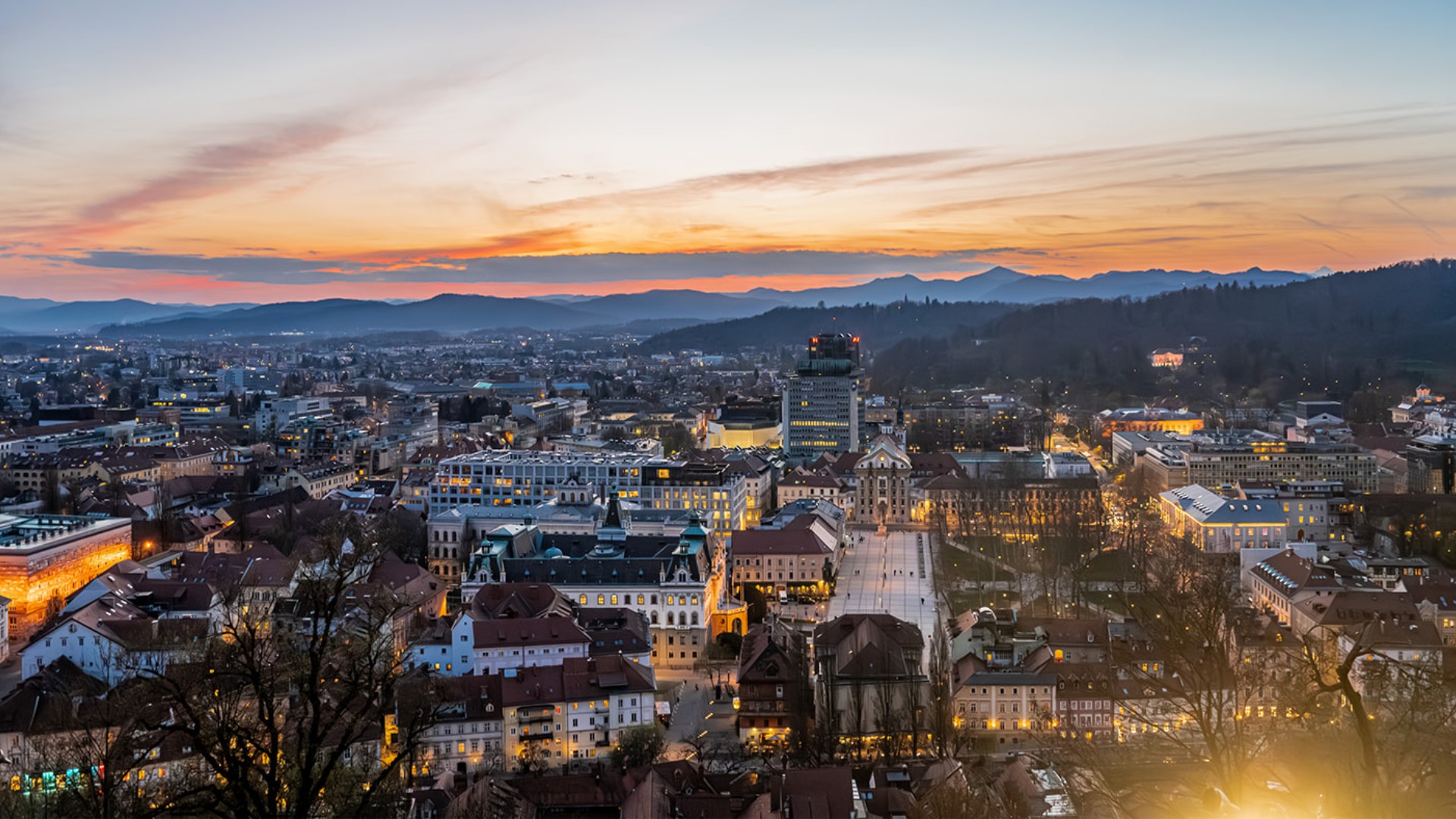
Ljubljana, 24–27 March 2026
Urban governance, experimentation and community innovation.
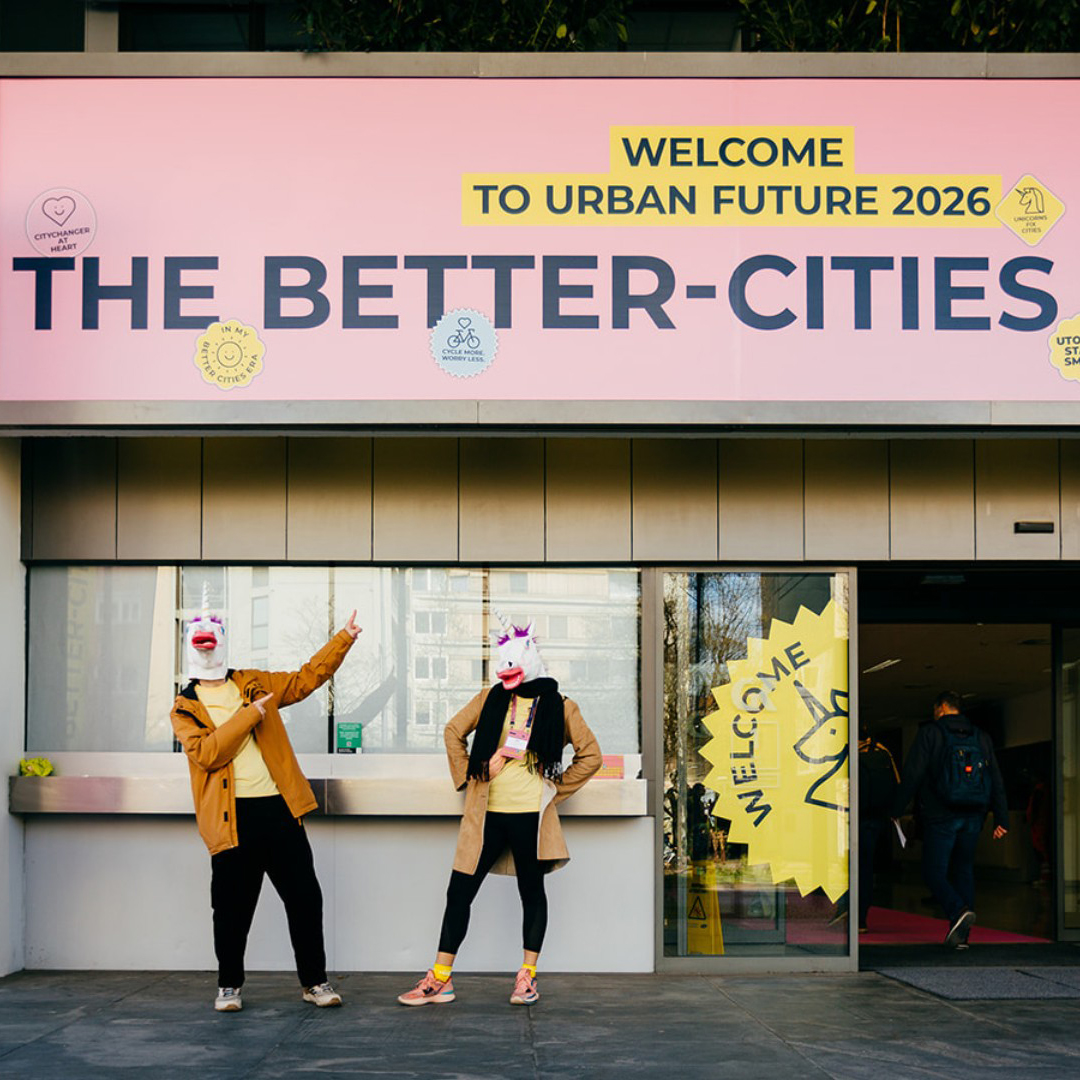
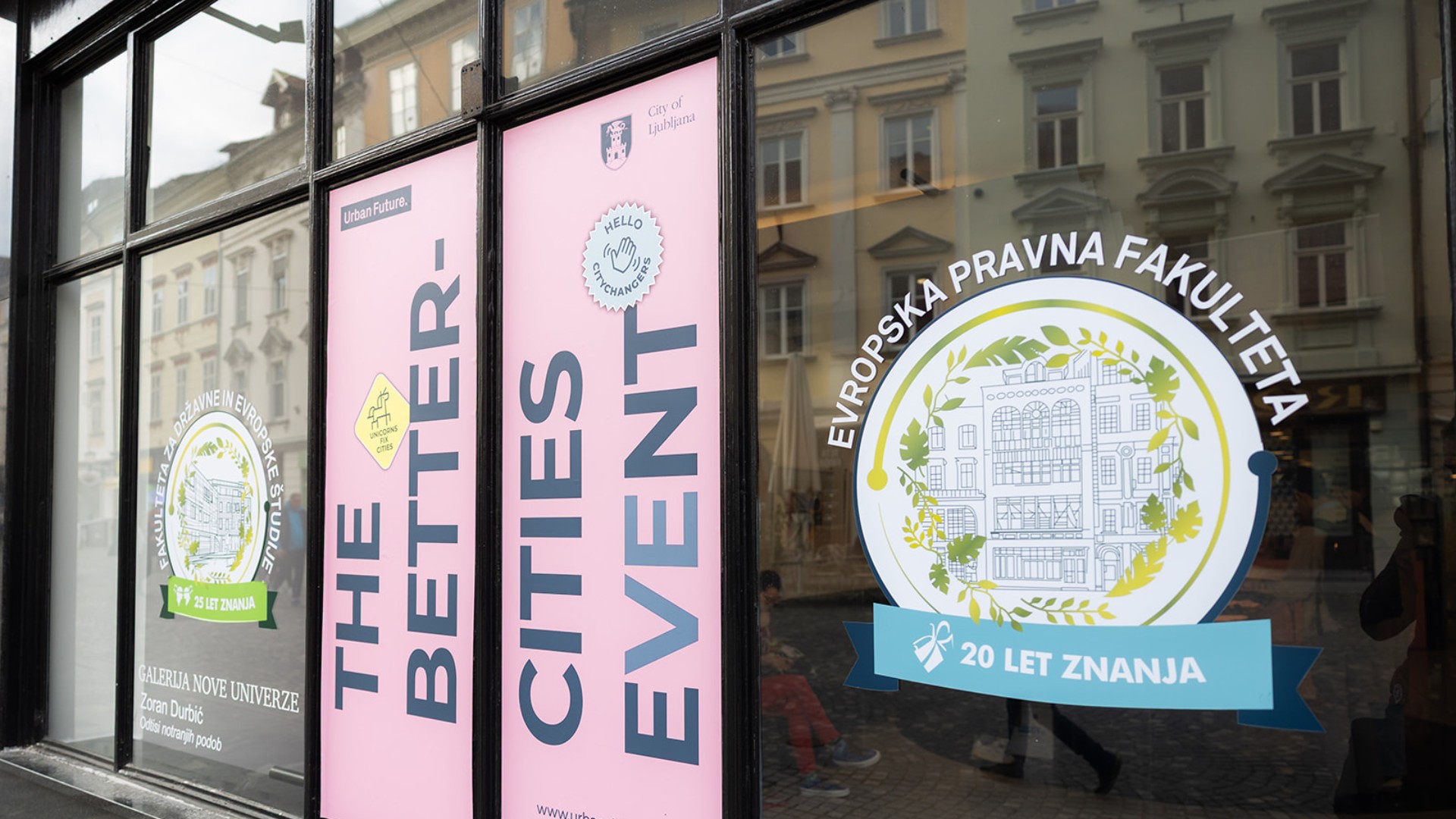
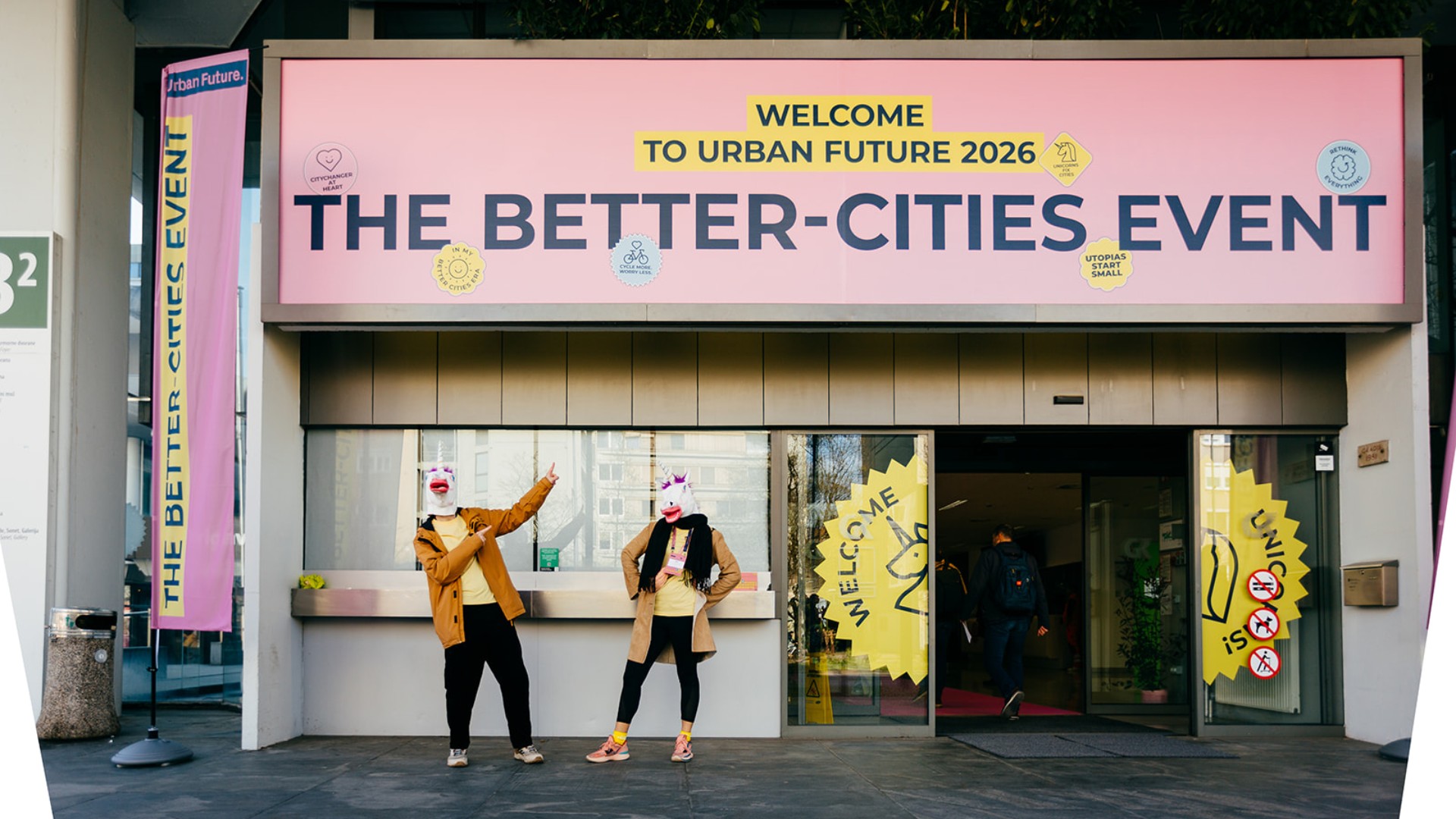
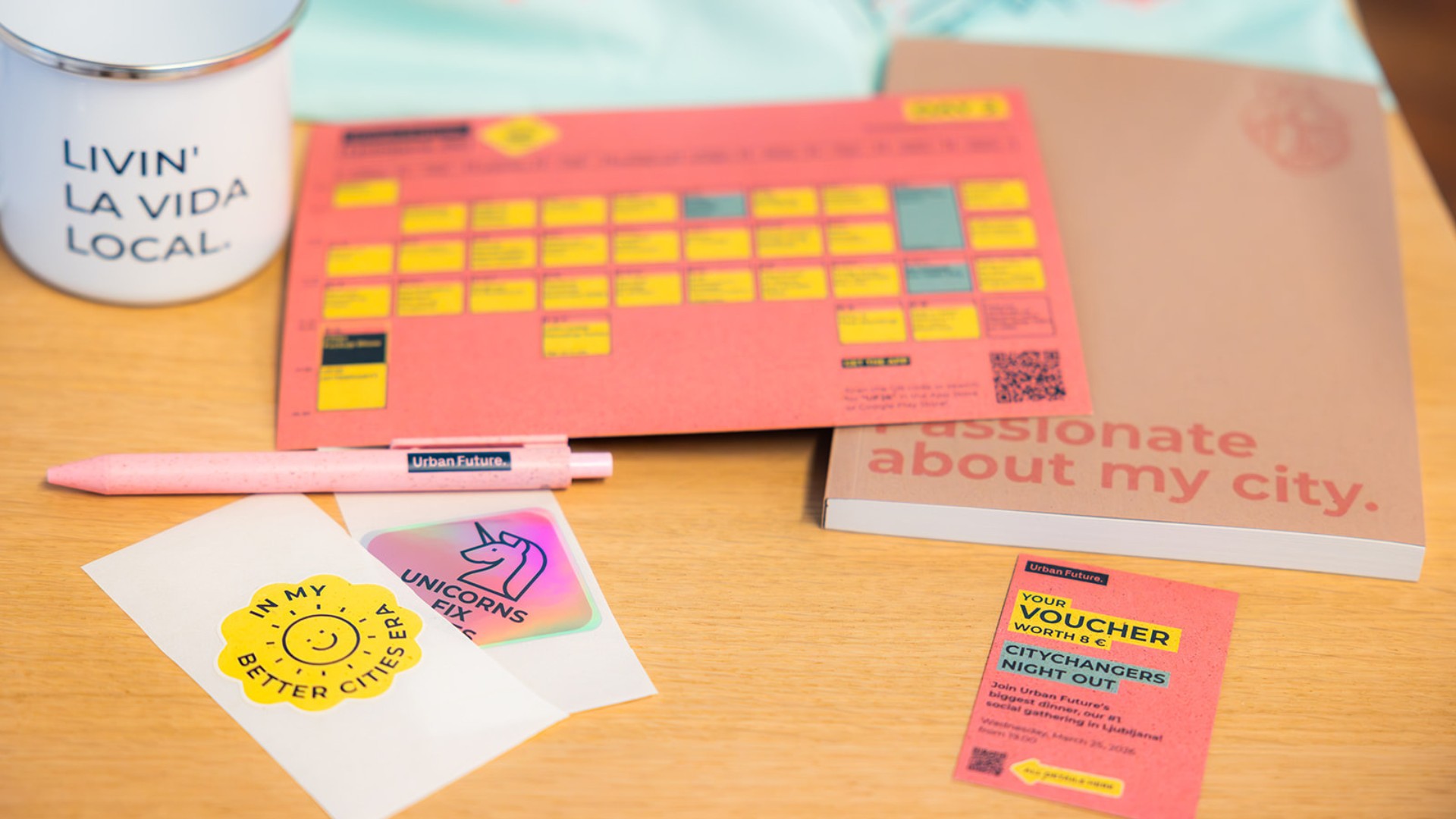
Gabriella Esposito, founder of Green Growth Generation, participated on invitation by ENoLL (European Network of Living Labs) at the Urban Future Conference 2026 — Europe’s largest event for urban change-makers working towards sustainable cities, held in Ljubljana, Slovenia from 24 to 27 March 2026.
Urban Future is not a traditional academic conference. It is the annual gathering point of a global community of over 50,000 urban change-makers — local administrators, planners, researchers, social entrepreneurs and activists — united by the same question: how do we accelerate urban transformation towards more sustainable, just and inclusive cities?
GGG contributed to the Tactical Urbanism track — From pop-up to pilot to permanent: how tactical interventions are reshaping cities, the profession of urban planners, and their relationships with citizens — with a participatory workshop that brought to the centre of international debate an urgent and still unresolved question:
How do we keep urban experiments alive when governance structures are not designed for experimentation?
Urban Future — the urban change-makers movement
Urban Future was born in 2014 from a small urban mobility workshop in Graz, Austria — a group of people who wanted to improve their city. Within a few years it became Europe’s largest event for urban transformation practitioners, with a community now counting over 50,000 change-makers and more than 200 partner organisations.
The philosophy is clear and radical: not theory, but practice. Not “hot air”, but actionable know-how. Urban Future focuses on the HOW — how to convince institutions, how to change structures and behaviours, how to scale what works, how to keep change alive over time.
“Cities need to become more sustainable in order to help solve our environmental problems. Together we need to do anything we can to speed up urban transformation.” — Gerald Babel-Sutter, co-founder and CEO of Urban Future
It is in this context — a global community of urban change practitioners — that GGG brought its research and perspective.
The context — Tactical Urbanism as a governance arena
Tactical Urbanism is not merely a practice of temporary public space design. It is a mode of experimental governance — an approach that allows cities, communities and institutions to test, learn and adapt solutions before making them permanent.
In its most ambitious form, tactical urbanism redesigns the relationship between urban planners and citizens: from a top-down design process to an iterative cycle of co-creation, experimentation and participatory evaluation. An approach that demands new skills, new roles and — above all — new governance structures capable of sustaining the logic of experimentation over time.
The Urban Future 2026 track explored precisely this tension: how do you move from pop-up to pilot, and from pilot to permanent? Who decides? Who takes responsibility for continuity? How do you institutionalise innovation without losing its spirit?
Green Growth Generation’s contribution
Gabriella Esposito’s workshop shared applied research and field insights developed through GGG’s work in the urban contexts of Turin and Beirut, reflecting on the concrete challenges of aligning community-driven innovation with institutional processes.
The central message — developed through years of work on Living Labs, participatory processes and collaborative governance — is that urban experiments do not fail for lack of ideas, but for lack of structures to sustain them over time.
Creating the conditions for a tactical intervention to become permanent requires not only design creativity, but:
- New governance models capable of hosting uncertainty and iteration
- New forms of trust between institutions and communities, built through genuine participatory processes
- New languages capable of translating community practice into public policy
- New alliances between actors who rarely sit at the same table
The participatory workshop format allowed these reflections to enter into dialogue with participants from diverse European urban contexts — building a space of horizontal exchange between researchers, planners, activists and institutional innovators.

Why this participation matters for GGG
GGG’s presence at the Urban Future Conference in Ljubljana on invitation by ENoLL is significant on three levels:
Research and practice in dialogue — bringing field-based reflections from Turin into Europe’s largest community of urban change-makers strengthens GGG’s credibility as an organisation that not only implements, but produces transferable knowledge useful to the practice of others.
Positioning within the global movement — being invited by ENoLL to contribute to one of the most strategic tracks of Urban Future — Tactical Urbanism — is a recognition of GGG’s role in the European ecosystem of Living Labs and participatory urban innovation.
Learning and cross-pollination — every participation in international contexts like Urban Future enriches GGG’s practice with new perspectives, methodologies and connections, which are integrated into everyday work on the ground in Turin and beyond.