
Knowledge Sharing & Public Learning
Cantiere Circolare.
educational programme for teachers — Turin, Italy
Experiential Vocabulary: Sensory, Emotional and Action — workshop programme for nursery teachers
Cantiere Circolare Early Childhood is a workshop programme for nursery teachers, developed by Green Growth Generation in collaboration with Remida and ITER – Istituzione Torinese per una Educazione Responsabile, as part of the Crescere in Città A.A. 2025/2026 catalogue of the City of Turin.
The programme was structured around a methodology of participatory observation, data collection by the teachers involved, classroom co-design and shared restitution — with the aim of collectively building a first Educational Vocabulary based on three levels: sensoriality, emotion, action.
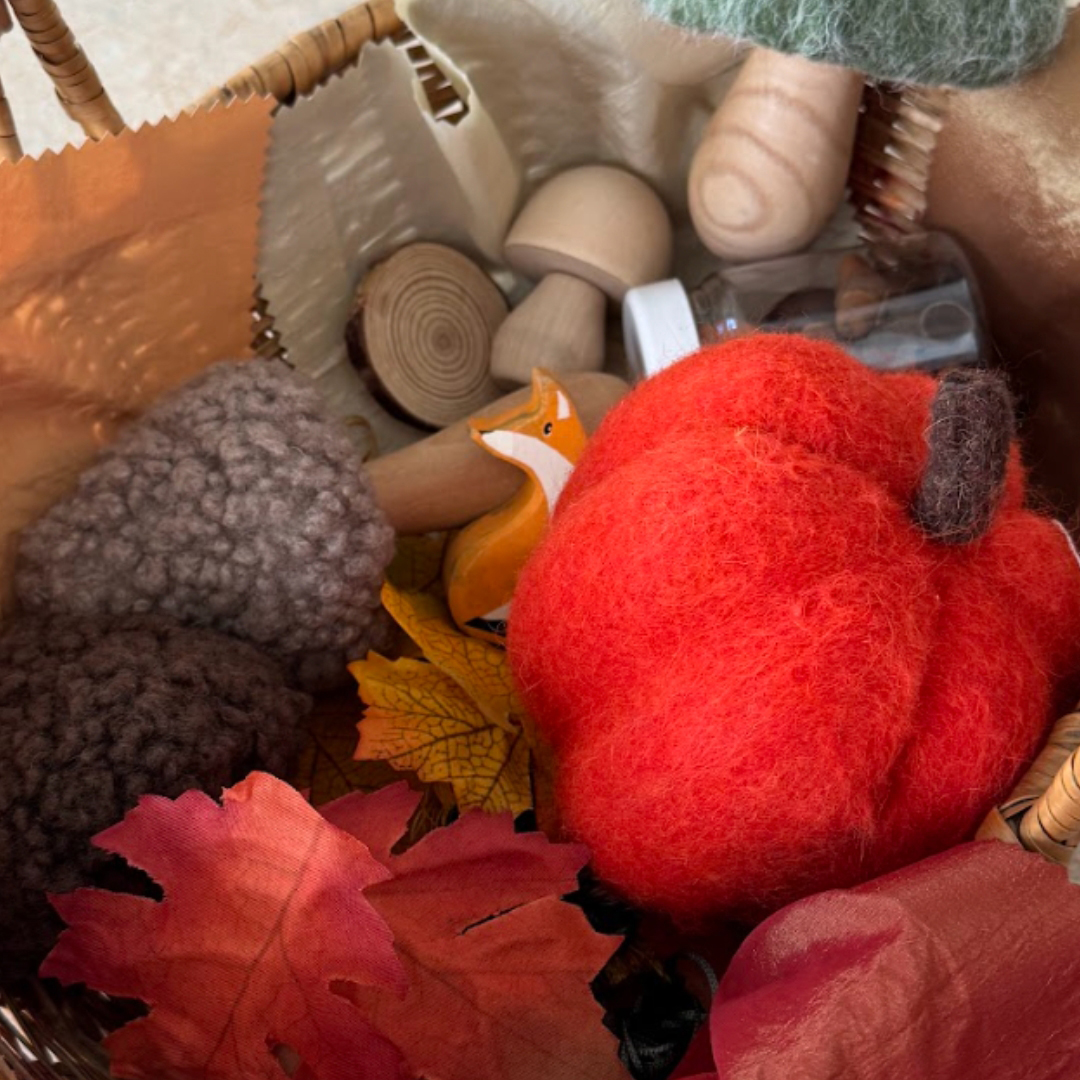
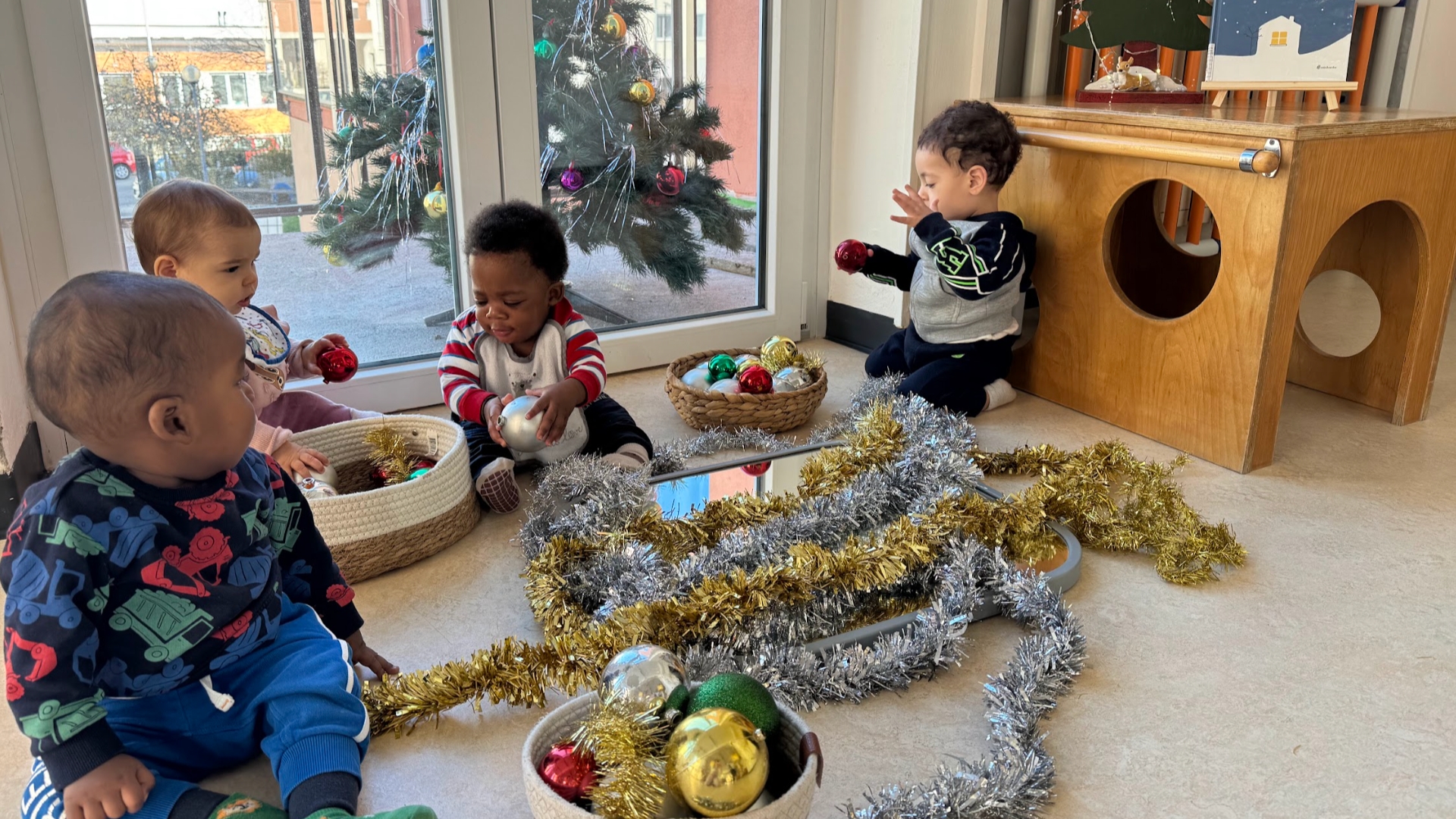
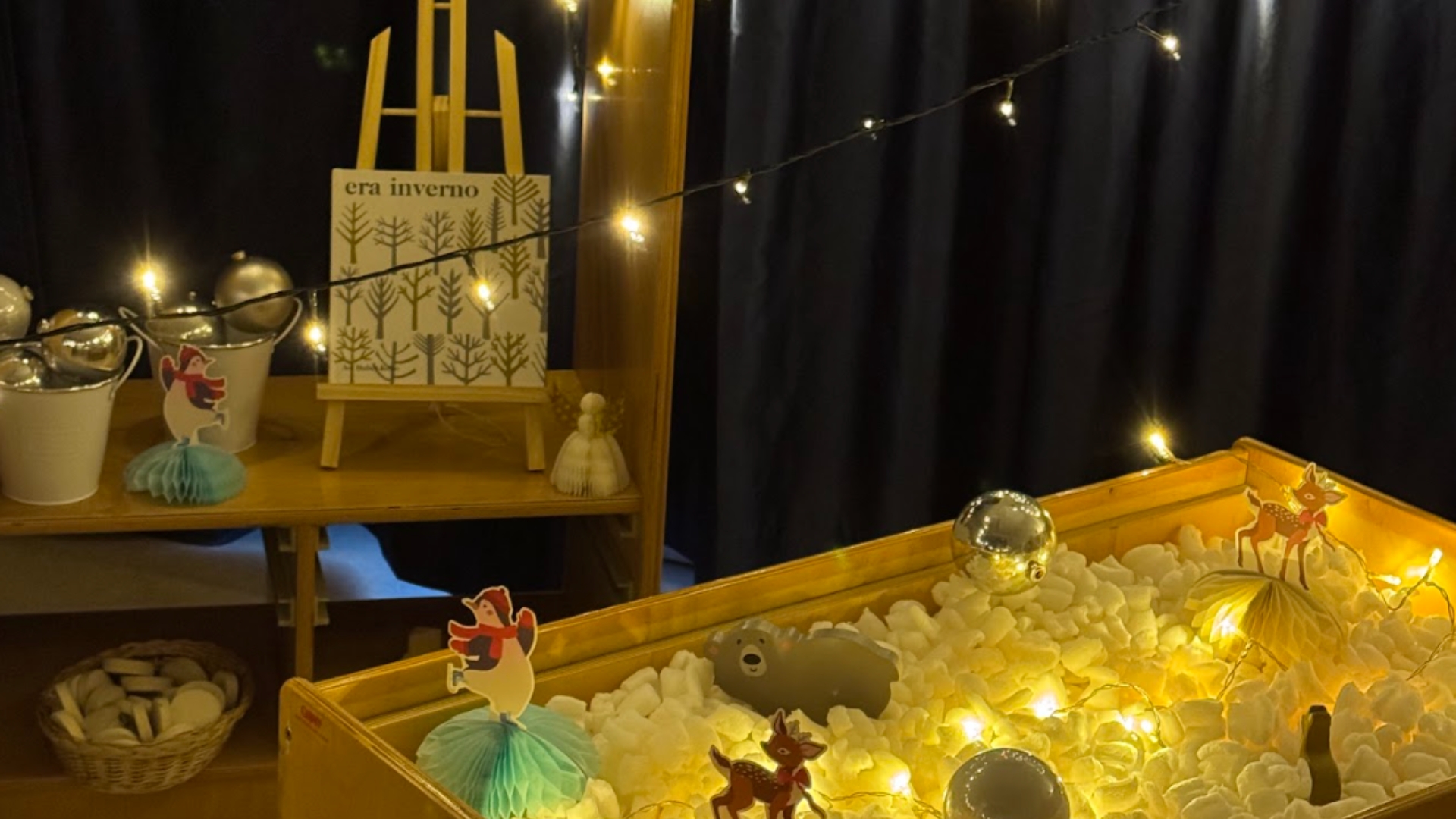
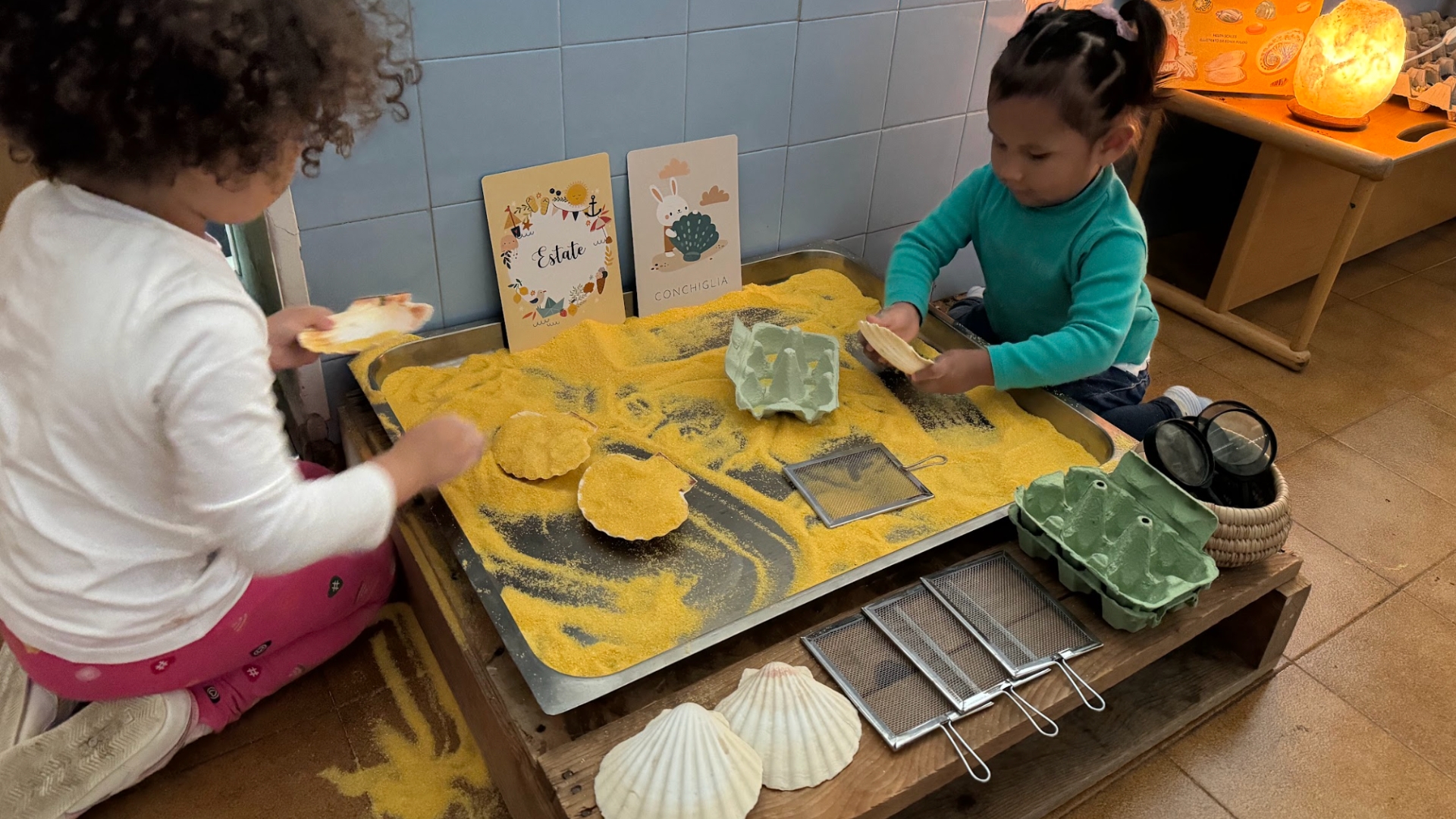
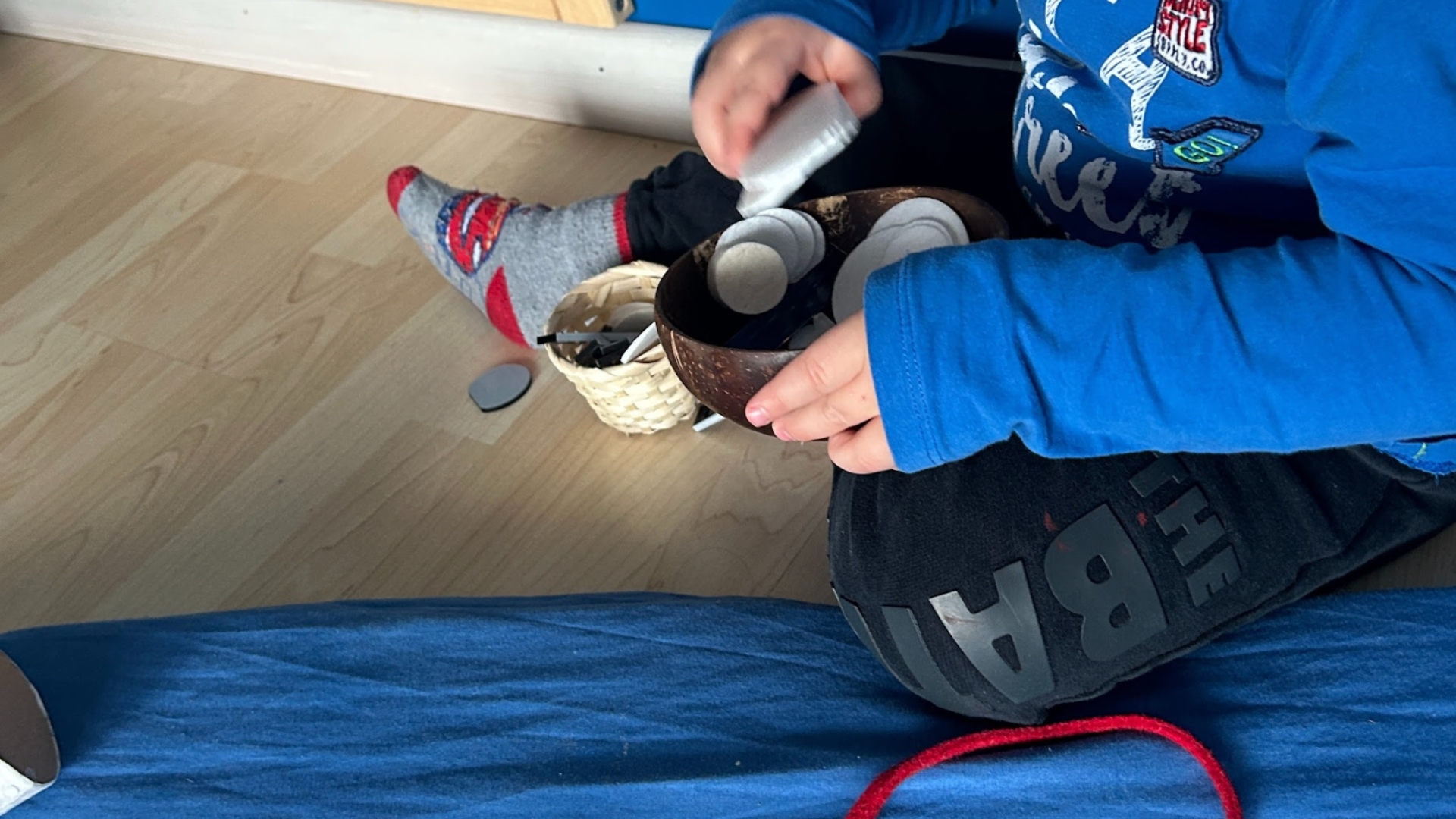
A second chapter of the Cantiere Circolare project, this time bringing circular economy and creative reuse into the context of early childhood — exploring how very young children interact with unstructured and natural materials, and how this experience can become a shared pedagogical tool among educators.
The programme — three phases
Phase 1
Observation in the nursery
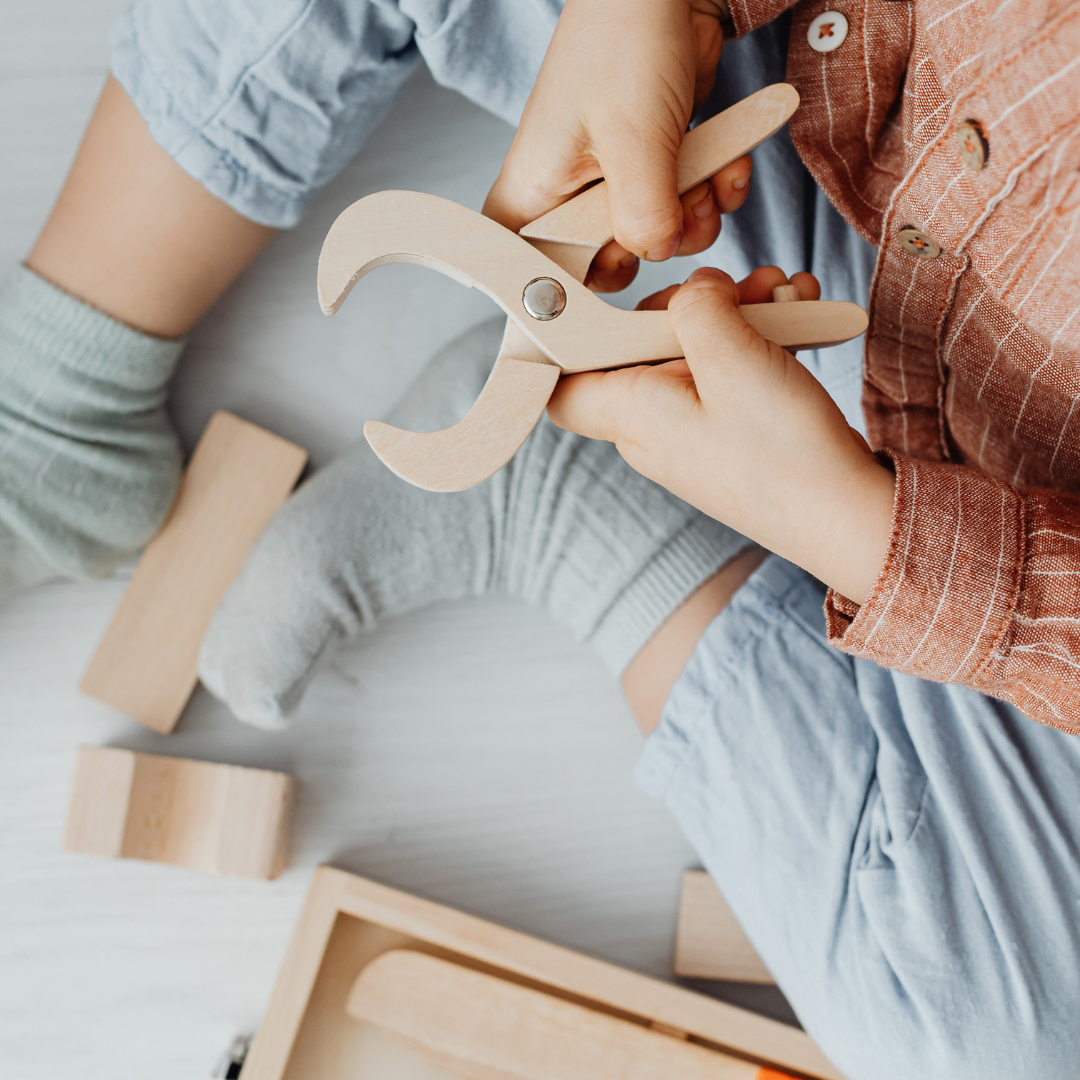
Following the guidance received in the first workshop session, each teacher used an observation sheet to document, in a free but systematic format, the reactions of children during experiences with unstructured and natural materials.
Observations collected three categories of data:
- Sensory keywords — how children perceive and describe materials through the body
- Observed emotions and states of mind — spontaneous emotional responses during play and exploration
- Frequent actions — recurring behaviours and modes of interaction with materials
This first phase provided the empirical basis for launching the collective co-design process — grounding the vocabulary in children’s real experience in the nursery, rather than in pre-defined categories.
Phase 2
Co-designing the Vocabulary
During the second workshop session, teachers working in groups processed the data collected in their own classrooms to:
- Reorganise observed keywords into thematic clusters
- Reflect on recurrences, tensions and surprises emerging from the data
- Select the most emblematic words for each category and build a first shared narrative from the data
A process of participatory action research in which teachers become researchers of their own educational context — elevating everyday observation to the level of a collective pedagogical tool.
Phase 3
Restitution of the Vocabulary
The shared analysis of materials brought to light recurring words, sensory and emotional combinations, and the practices activated in nurseries — giving shape to the Experiential Vocabulary across three dimensions:
Action Vocabulary hitting · threading · building · moving · observing · imitating · symbolic play · conflict
Actions describing how children act on materials and space — a repertoire of behaviours that becomes a reading tool for educators.
Emotional Vocabulary curiosity · calm · wonder · enthusiasm · irritation · hesitation · euphoria · creativity
Emotions observed during exploration with unstructured materials — an affective map helping teachers recognise and value every emotional response as an educational moment.
Sensory Vocabulary soft · rough · cold · light · visual (colour) · auditory (vibration) · olfactory · gustatory · exploratory
The perceptual qualities that children attribute to materials — a body language that precedes and accompanies verbal language in early childhood.
Why this project matters
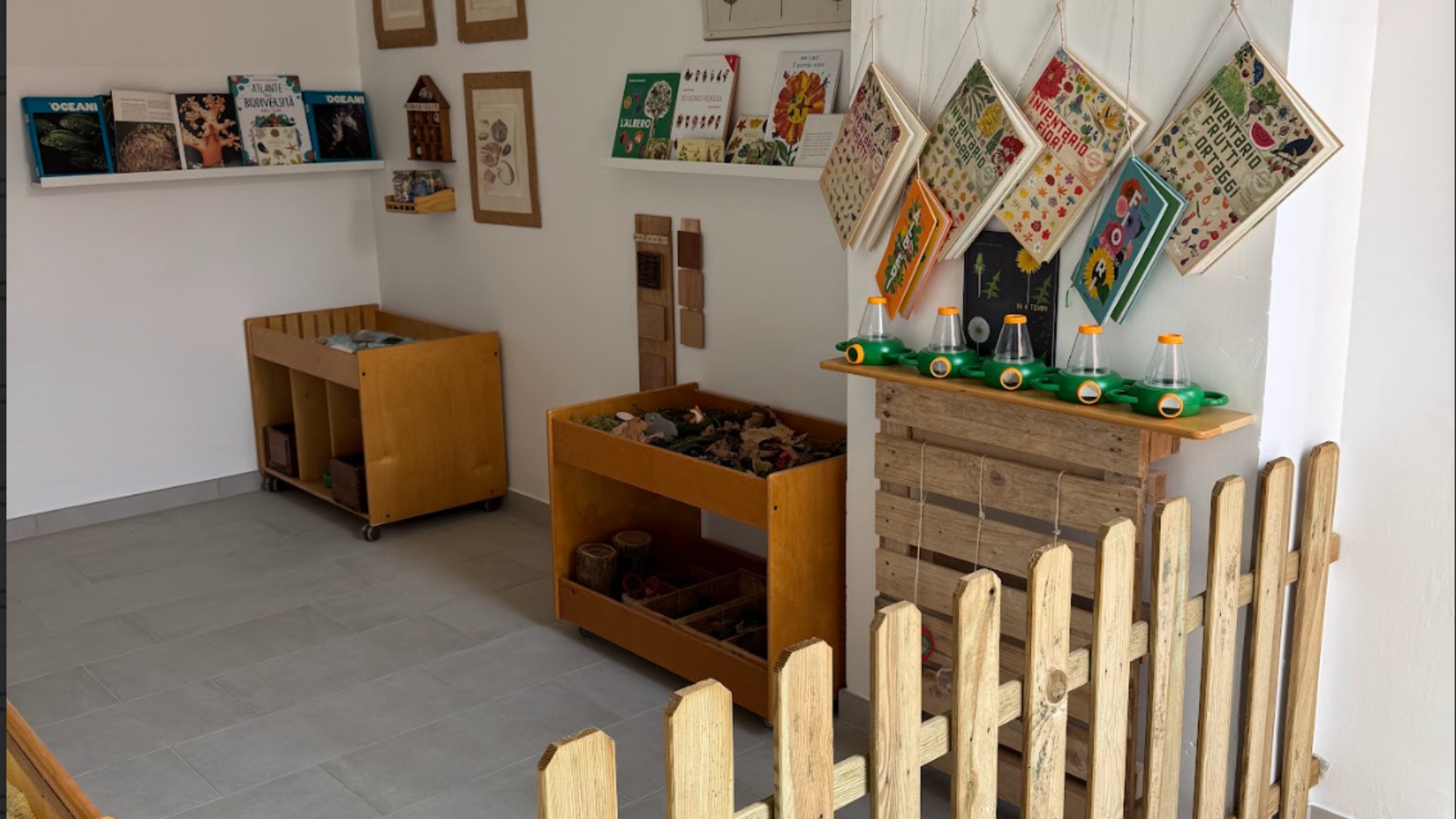
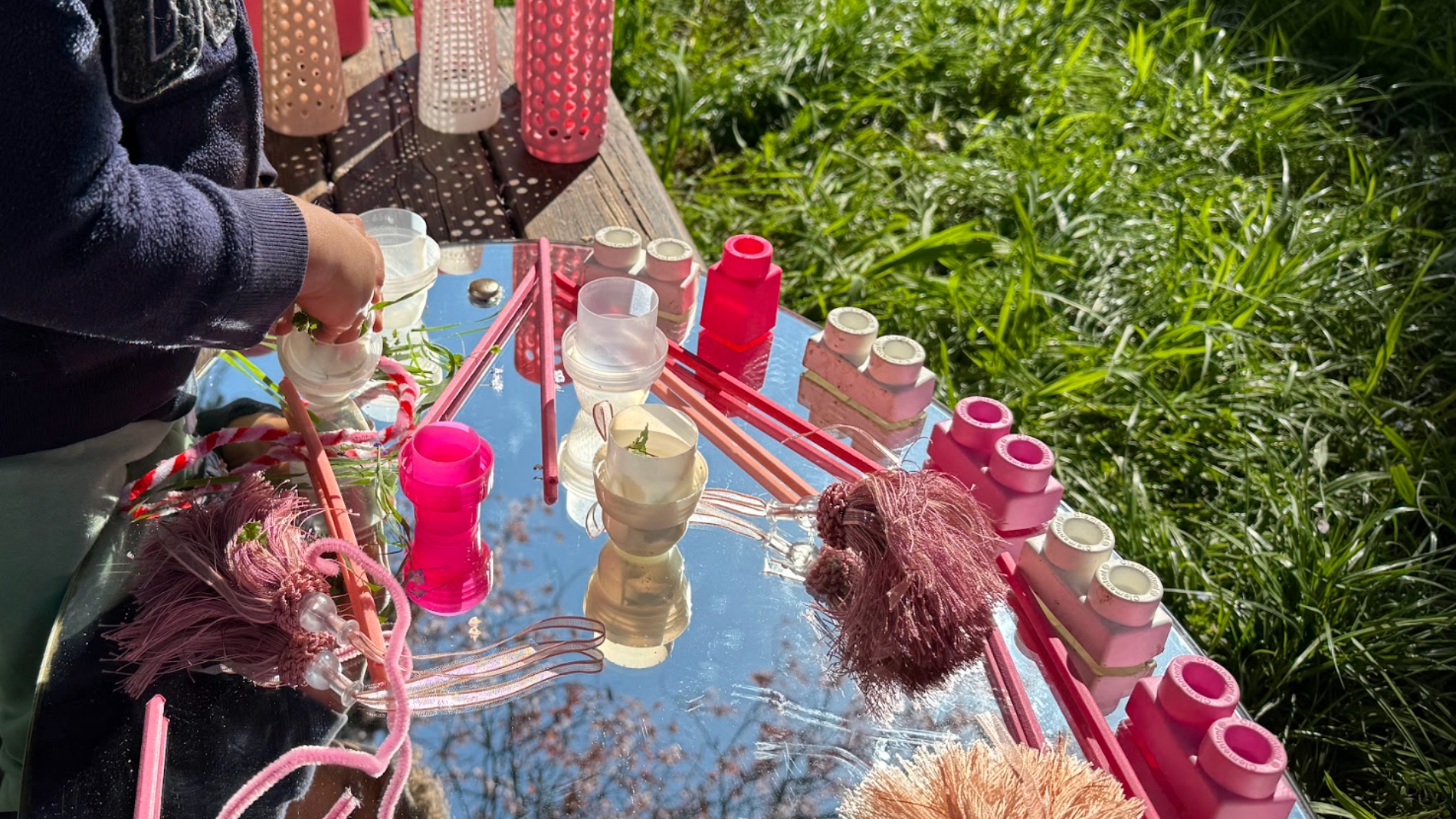
Cantiere Circolare Early Childhood demonstrates that the circular economy can enter nurseries not as content to be transmitted, but as an approach to observation and care — starting from the way very young children relate to matter.
The Experiential Vocabulary built collectively is a living tool: not a word list, but the result of careful, shared observation among teachers who have transformed their everyday practice into educational research.
The programme also showed how co-design among teachers from different nurseries generates a common heritage of skills, insights and replicable tools — strengthening educational communities and the quality of the learning environment for the youngest children.
Projects.
Projects are the core of our work. Through place-based urban projects, we integrate participation, research, and experimentation in real city contexts.