

From May to November, three neighbourhoods in Turin hosted Il Verde che Vorrei, a creative and participatory workshop that engaged children, teenagers and adults in imagining and creating green spaces within their own communities. The goal? To show how creativity and co-design can transform urban green areas into places of social interaction, play and wellbeing.
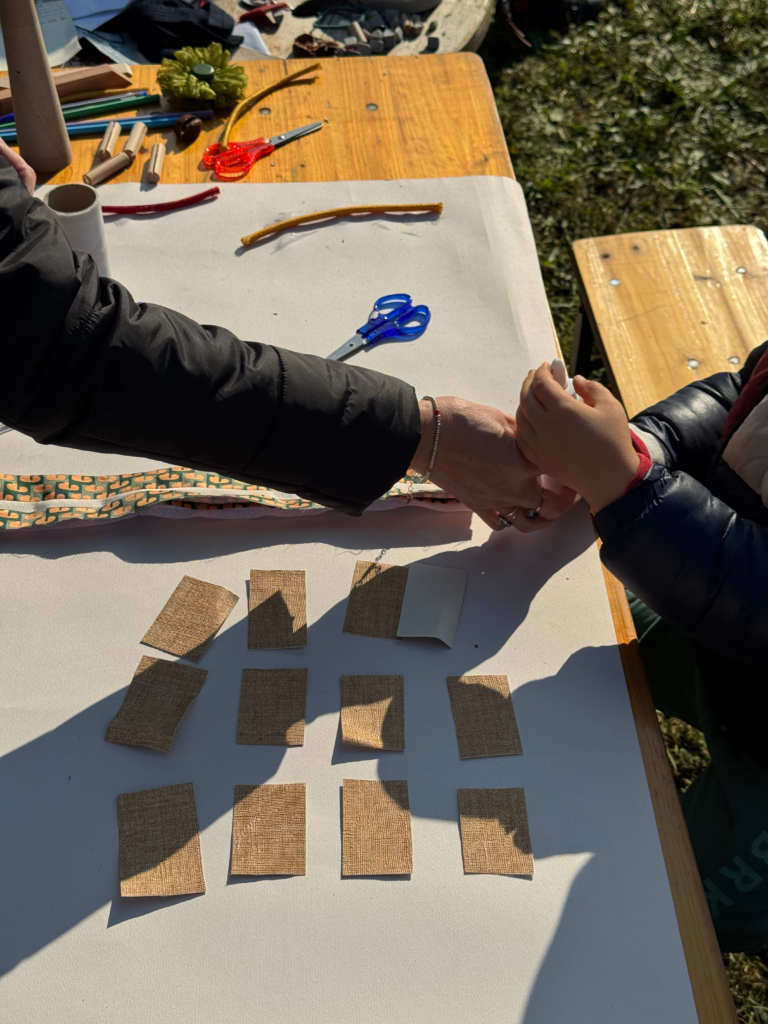
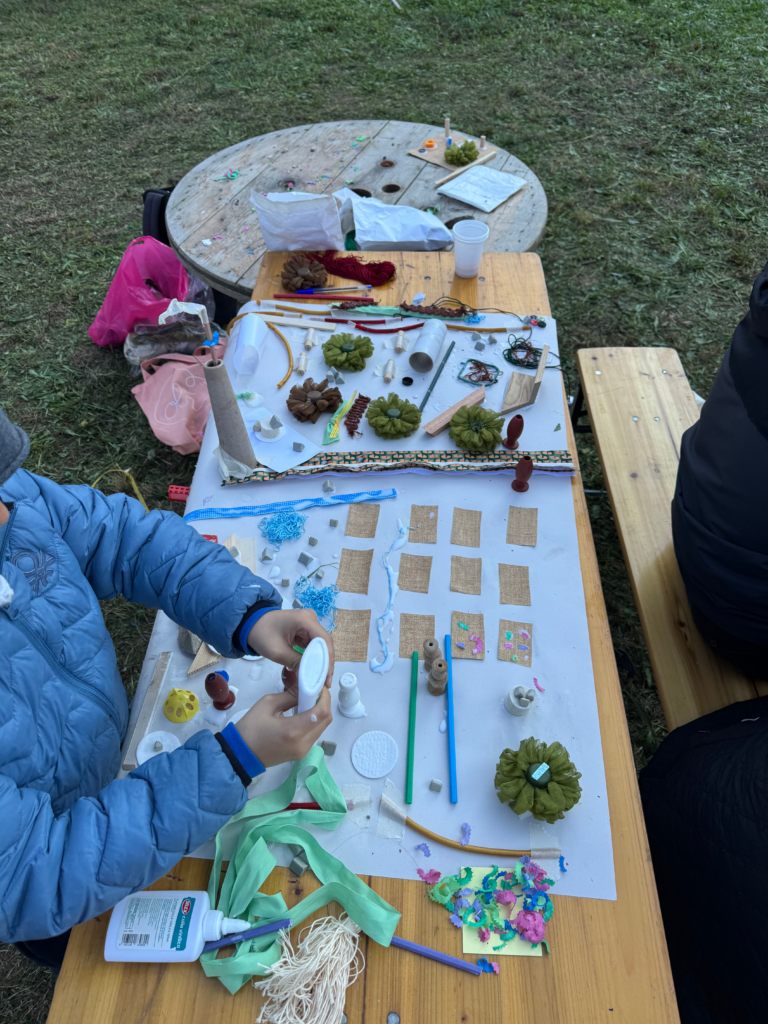
At each meeting, participants explored their neighbourhood, imagined their ideal green space and translated wishes and emotions into maps, collages and micro-prototypes. Creativity was fuelled by Remida’s creative reuse materials, such as reclaimed wallpaper, fabrics, ribbons, ropes, egg cartons, small wooden pieces and buttons. Discarded objects became “innovative” tools to collectively design the future of the city.
During the “San Salvario ha un cuore verde” festival on May 24, children and adults transformed posters, threads, markers and post-it notes into representations of flexible and inclusive spaces. Among the ideas that emerged were artistic signage, sensory corners with fragrant plants and messages such as “less asphalt, more grass”. Green space was perceived as a place for play, relaxation and social interaction, but also as a resource to be cared for and enhanced.

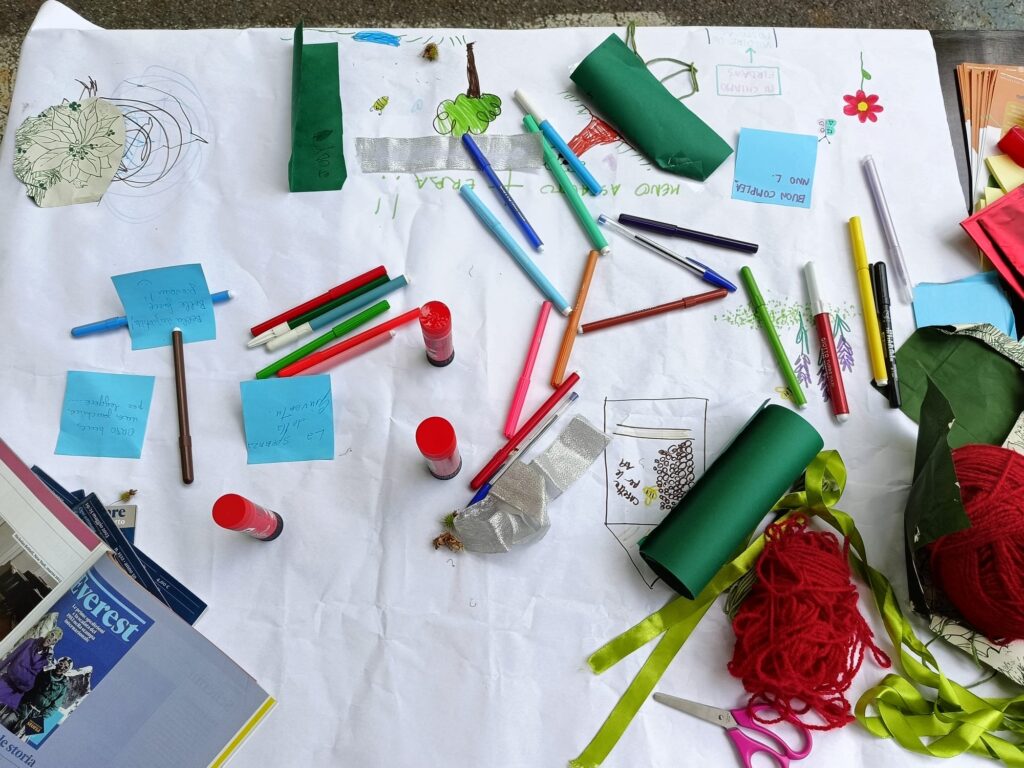
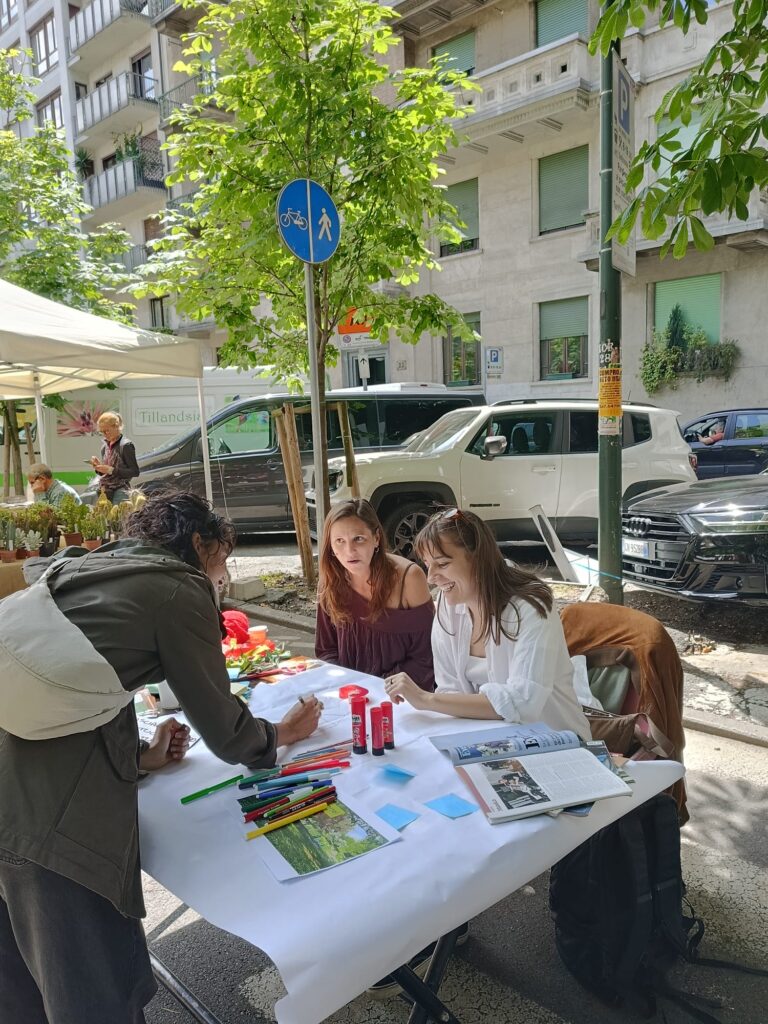
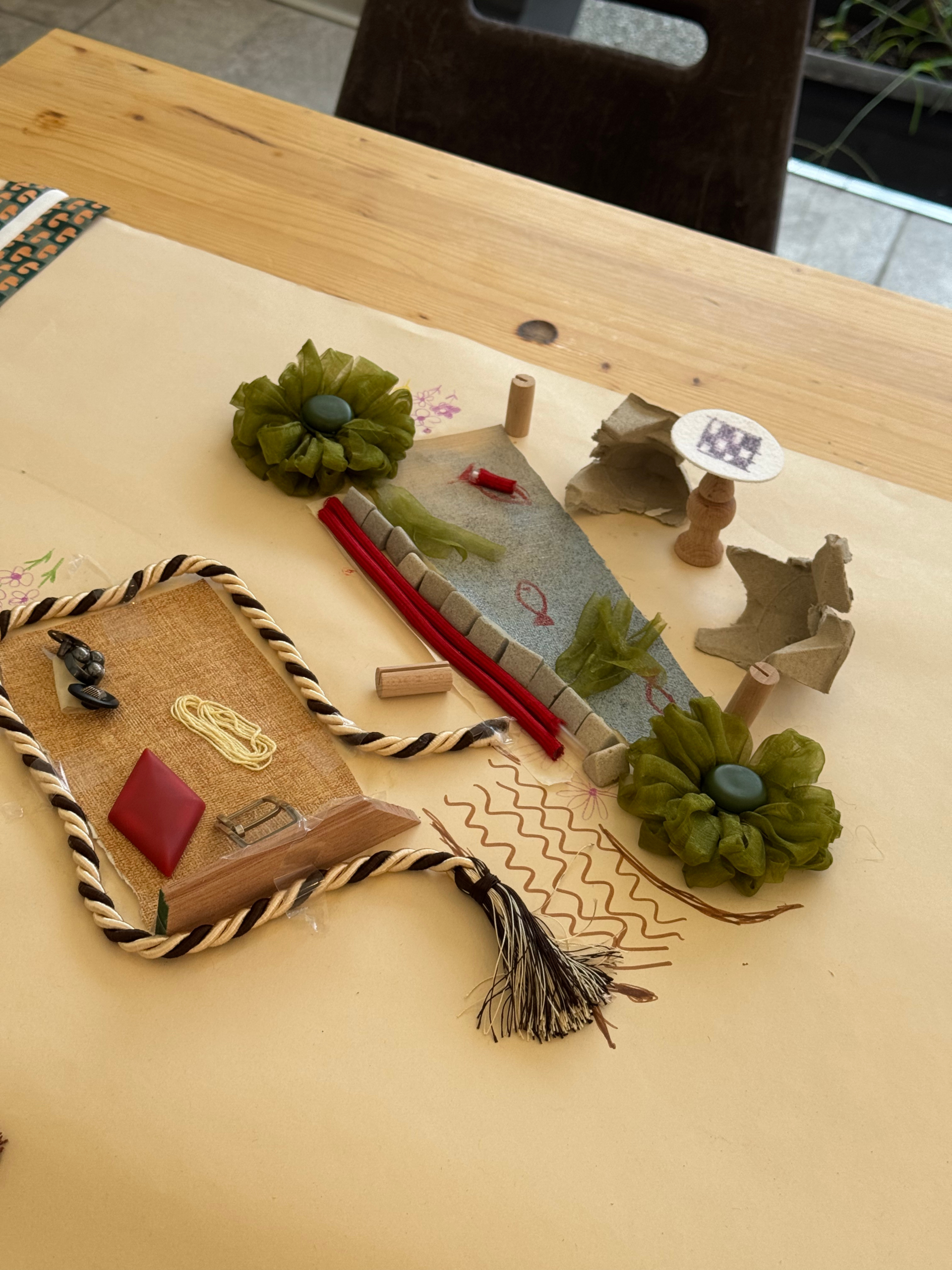
On September 16, at Cecchi Point, the neighbourhood hub of Aurora, the workshop mainly involved women with children. After a walk through Giardino Pellegrino, participants created micro-prototypes of ideal spaces featuring hammocks, sand areas, small ponds and play corners for adults. Group work highlighted the importance of green spaces for intergenerational cohesion, showing how participatory design can strengthen community bonds and everyday wellbeing.
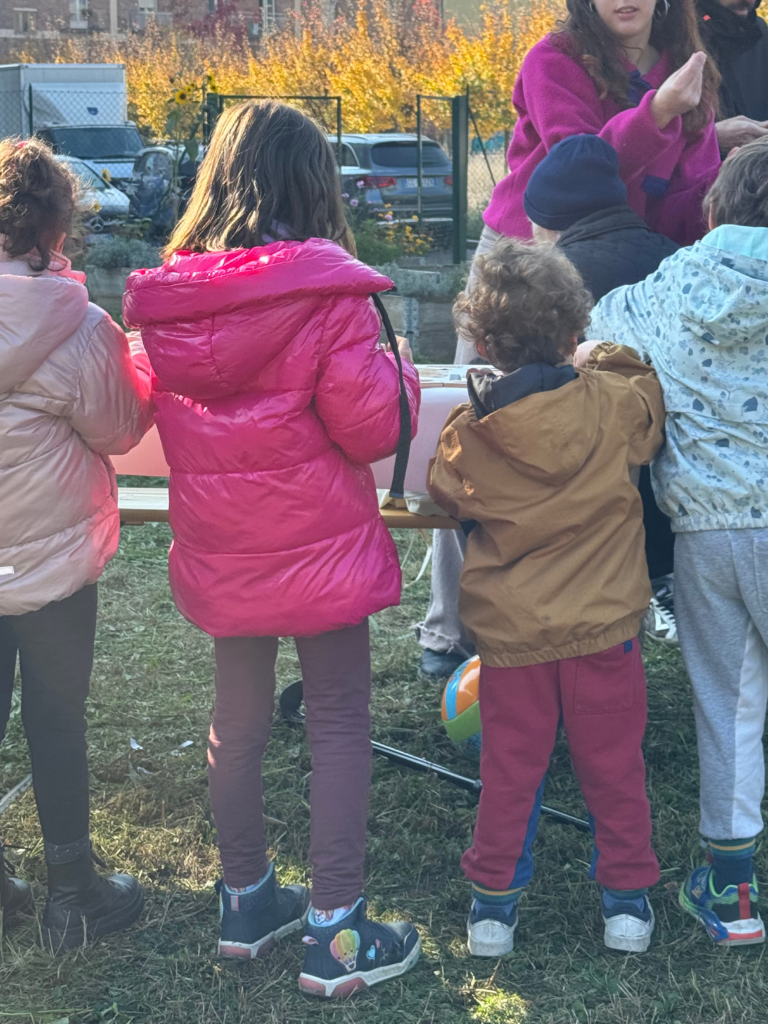
On November 8, in the urban garden on Via Carrera, during the neighbourhood chestnut festival, children and adults co-created a large poster using reused materials, imagining aromatic paths, benches and winter shelters to make the space usable all year round. Here too, the workshop encouraged reflection on shared use, recreational activities and the identity of the space, reinforcing a sense of care and collective responsibility.
Why Il Verde che Vorrei is special
Each meeting showed that urban sustainability grows from the direct involvement of citizens and local communities, as well as from the value of small creative actions. Turning discarded materials into design tools is not just an exercise in imagination, but a concrete way to foster care for public spaces.
Il Verde che Vorrei demonstrated that green space is not only nature: it is a catalyst for social interaction, play, wellbeing and collective responsibility. And when people of all ages come together to imagine, ideas emerge that no one could have developed alone.
